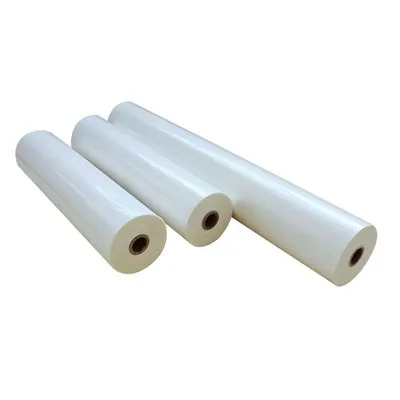
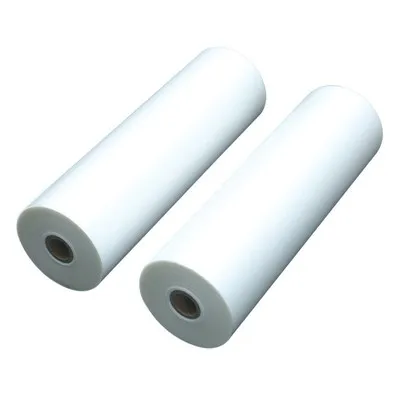
Indonesia's film converting industry has expanded significantly to serve the country's large domestic packaging and printing markets, along with growing export demand across Southeast Asia. However, many Indonesian converters, particularly medium-sized operations, struggle with pinhole defects in BOPP lamination film production that can cause quality rejections, customer complaints and significant material waste. Pinholes-tiny microscopic holes in the adhesive coating that can cause bonding failures and appearance issues-represent one of the most common and frustrating quality problems for film converters, and addressing them requires systematic root cause analysis and targeted corrective measures across the production process.
BOPP thermal lamination film pinhole defects stem from multiple potential causes, and Indonesian converters have developed practical, systematic approaches to identification and resolution. The first step in tackling pinholes is proper root cause analysis, which involves examining defect characteristics to determine whether issues originate from the BOPP base film, the coating application process or environmental factors. The three-layer coating structure-BOPP substrate, prime coating and pure EVA adhesive-must each be evaluated separately, as pinholes can occur in any layer and different defect patterns indicate different root causes. Common sources include contamination on the base film surface before coating, uneven coating application due to roller imperfections, bubbles in coating solutions and improper drying profiles that cause solvent popping defects during the curing process.
Practical solutions implemented by Indonesian converters address each potential pinhole source with targeted measures. Pre-coating film cleaning systems, including non-contact web cleaners and ionizing bars, remove surface contamination from incoming BOPP rolls before prime coating application. Coating station maintenance programs ensure that application rollers remain free of nicks, scratches and buildup that could cause coating irregularities and pinhole formation. Coating solution preparation follows standardized mixing and deaeration procedures to prevent bubbles from entering the application system. Drying zone temperature profiles are carefully optimized to provide gradual solvent evaporation that prevents surface skinning and subsequent solvent popping that creates pinhole defects. Many converters also implement inline optical inspection systems that detect and mark pinhole defects during production, allowing targeted quality control before products reach customers.
Indonesian film converters that systematically address pinhole defects report significant improvements in production yield, customer satisfaction and overall profitability. Reduced defect rates directly translate to lower material waste and fewer customer returns, while consistent quality helps converters attract and retain larger, more demanding customers. For packaging and printing buyers in Indonesia and export markets, working with converters that have mastered pinhole control provides assurance of reliable film quality and consistent lamination results. As Indonesia's film converting industry continues to develop and compete in regional markets, effective pinhole defect prevention will remain a key capability for successful BOPP thermal lamination film manufacturers serving both domestic and international customers.