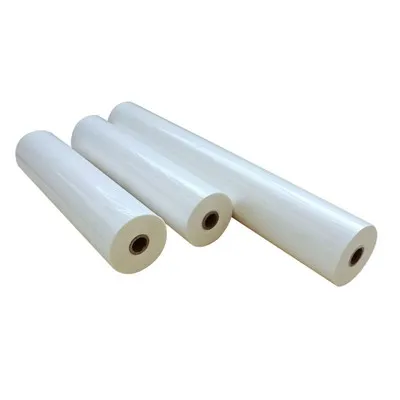
Pre-coated films are primarily constructed from a substrate layer, a coating layer, and necessary functional layers. The substrate layer, the supporting structure of the film, is commonly made of metal sheets (such as steel or aluminum) or plastic films (such as PET, PVC, or PC), determining the overall rigidity, dimensional stability, and processing adaptability of the film. The coating layer is the core of the functionality, including coatings such as polyester, polyurethane, acrylic, or fluorocarbon. It forms a protective film on the substrate surface, imparting properties such as weather resistance, corrosion resistance, scratch resistance, and decorative appeal.
In some high-end or special-application pre-coated films, multi-layer composite structures are also employed. For example, a multi-layer design with a base coating, intermediate isolation layer, and top coating can be applied to a metal substrate to enhance adhesion, corrosion resistance, and abrasion resistance. Plastic protective films sometimes include an adhesive layer or release layer to facilitate application or removal. Through a rational combination of substrate and coating layers and a multi-layer composite structure design, pre-coated films can maintain stable performance during processing, transportation, and use, while meeting the diverse needs of different fields for both protection and aesthetics.