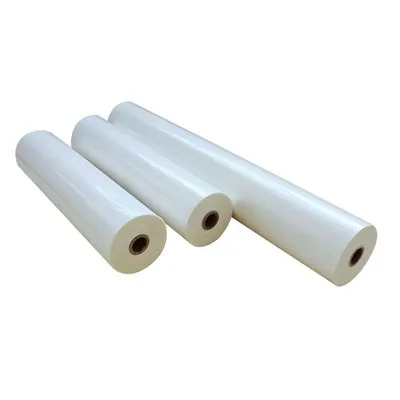
Book printers and fine art catalog producers aim to create printed works that feel as impressive as they look. Art books, photography portfolios, premium coffee table books and high-end brand catalogs rely heavily on cover finishing to communicate quality. Soft touch laminating film has become a popular finishing choice for these print projects, offering a soft, non-reflective surface that elevates reading and browsing experience while protecting the cover from daily wear.
Gloss lamination remains common for mass-market paperbacks, but it carries limitations for art-focused print. Bright reflections hide subtle artwork details, and fingerprints stand out clearly on shiny surfaces. Standard matte lamination removes reflection but often feels lifeless and generic. Soft touch laminating film fills this gap, combining low-glare matte visuals with a unique silky hand feel. Readers who pick up a soft-touch art book immediately notice the difference, which makes the publication feel more collectible and valuable.
Books and catalogs face repeated handling. Customers flip through pages, carry books in bags, stack catalogs on retail shelves and pass them between colleagues. Without proper protection, covers quickly pick up scuffs and fine scratches that ruin the professional look of the publication. Anti-scratch soft touch laminating film is designed for this type of heavy use. It preserves the delicate soft texture while resisting everyday abrasion, keeping covers clean for years after printing. For limited-edition art books and museum catalogs, this durability is a key selling point for collectors.
Print shops that handle book finishing need materials compatible with folding and spine binding. A poorly formulated thermal lamination film will crack at the spine crease after repeated opening, creating white marks that damage the finished book. Our soft touch film is engineered to maintain flexibility after lamination, performing reliably on case-bound books, perfect-bound catalogs and saddle-stitched brochures. Many book printers prefer this grade because it reduces waste during binding and inspection, lowering reject rates on high-value print runs.
Art publishers often prioritize color accuracy. Low-quality soft touch coatings can shift printed tones, dulling carefully calibrated artwork and photography. Our soft touch lamination film uses a neutral coating system that preserves original color saturation, so designers can trust the final printed cover will match approved digital proofs. This consistency is essential for gallery catalogs, artist monographs and brand portfolios where color fidelity is non-negotiable.
Different publishing projects call for different soft touch variants. Plush suede soft touch film is reserved for luxury collector editions, where the highest level of tactile luxury is the main selling feature. Anti-fingerprint soft touch options suit retail catalogs that sit on shop counters and are touched by dozens of browsers every day. The balanced anti-scratch general grade works best for trade books, educational premium publications and corporate brochures that need to balance cost, texture and long-term wear resistance.
Sustainability is also a growing priority for independent presses and large publishing houses alike. Many publishers now market their catalogs and art books with eco-friendly claims. Our water-based adhesive soft touch laminating film supports these green initiatives, without sacrificing the signature soft touch or scratch resistance. Printers can confidently offer this finish to publishers targeting environmentally conscious readers and institutional buyers such as libraries and schools.
When selecting a thermal lamination film for book finishing, printers should test samples with their binding equipment and ink stock first. Soft touch film continues to redefine high-end print finishing, giving publishers a simple way to turn ordinary book covers into collectible, tactile pieces that readers want to hold, keep and revisit.