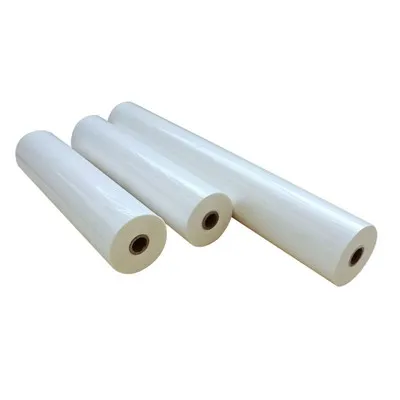
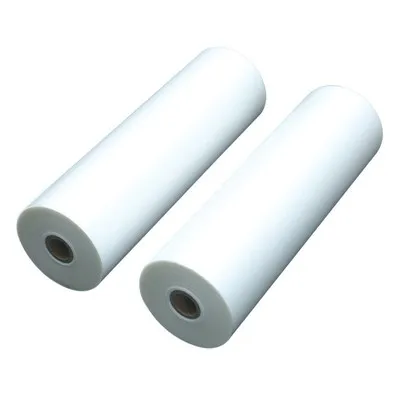
The global digital printing industry continues its rapid expansion, driven by growing demand for short-run personalized printing, variable data applications and fast turnaround print services. Digital printing technology uses different ink systems and substrate materials than traditional offset printing, creating specific requirements for post-press finishing processes including lamination. Standard lamination films designed for offset print applications can cause issues when used with digitally printed materials, creating strong demand for low-temperature lamination film solutions specifically formulated for digital printing applications.
Thermal lamination film with low-temperature activation formulation has become the preferred finishing choice for digital printing applications for several important reasons. Digital printing inks, particularly toner-based digital prints and certain inkjet formulations, are more sensitive to high temperatures than traditional offset inks. Standard high-temperature lamination can cause toner offset, ink migration or color shift issues that ruin printed pieces, especially for solid coverage areas and dark colors. Low-temperature lamination films activate reliably at significantly lower temperatures, preventing heat damage to digital inks while maintaining strong bonding performance. The standard three-layer film structure is preserved, with low-temperature performance achieved through EVA adhesive formulation optimization rather than adding additives that could affect print compatibility or food-contact safety. All surface functional properties remain achieved through independent top-coating application.
The growth of digital printing applications across various sectors is expanding the market for low-temperature lamination solutions. Short-run packaging production using digital presses requires compatible lamination materials that can handle small batch sizes and frequent job changes without long setup times. Personalized marketing materials, variable data printing and on-demand publishing all benefit from low-temperature lamination that preserves the quality and color accuracy of digitally printed content. Photo printing and wide-format digital graphics production also require low-temperature finishing to protect image quality while adding durability and professional appearance. As digital printing technology continues to improve in quality and speed, the range of applications requiring compatible low-temperature lamination continues to expand.
Print service providers adopting digital technology find that investing in dedicated low-temperature lamination films improves both quality and efficiency. Reduced heat-related print rejection rates significantly improve overall production yield, especially for high-value digital print jobs with tight color requirements. The lower operating temperatures also reduce energy consumption for laminating equipment and create more comfortable working conditions for production staff. Professional film manufacturers continue to develop improved low-temperature formulations that maintain bonding strength and durability while activating at ever-lower temperatures, keeping pace with advancing digital printing technology. As the digital printing industry continues its growth trajectory, demand for specialized low-temperature thermal lamination film is expected to maintain strong growth across all global markets.