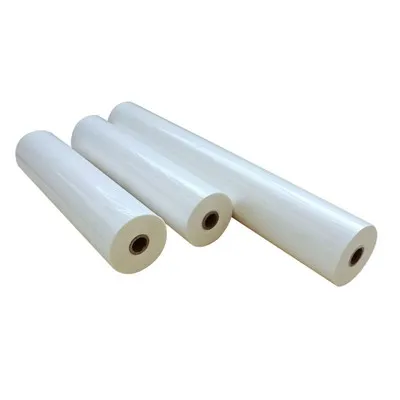
The global thermal lamination film market continues its steady expansion trajectory, driven by growing demand from packaging, printing and publishing sectors across both mature and emerging economies. Industry analysts project consistent compound annual growth through the end of the decade, fueled by rising consumer goods production, expanding e-commerce packaging needs and ongoing technological advancements in film manufacturing. Market participants ranging from raw material suppliers to finished product manufacturers are adjusting their production capacities and product portfolios to capture emerging opportunities in high-growth application segments and regional markets.
Thermal lamination film demand growth is supported by several interconnected macro and industry-specific drivers. The rapid expansion of e-commerce worldwide generates massive demand for protective packaging materials, as online retailers and logistics providers seek cost-effective ways to protect printed packaging, shipping labels and product information from damage during transit. The global packaging industry's ongoing shift toward value-added finishing further boosts demand for functional lamination films, as brand owners invest in premium surface treatments to enhance shelf appeal and product durability. Additionally, growing educational publishing sectors in developing regions create steady demand for textbook and notebook cover lamination materials.
Regional demand patterns are shifting noticeably as industrial production continues to relocate and expand across different global markets. Asia-Pacific maintains its position as the largest production and consumption region, with China, India and Southeast Asian countries driving significant volume growth through expanding domestic manufacturing and export-oriented packaging production. North America and Europe represent mature markets with stable demand, where growth focuses on premium functional films such as soft-touch, anti-scratch and eco-friendly variants rather than basic volume expansion. The Middle East, Latin America and Africa are emerging as high-potential growth regions, supported by expanding consumer goods sectors and increasing local printing and packaging industrial capacity.
Technology and sustainability trends are reshaping the competitive landscape of the global market. Manufacturers are investing in advanced coating technologies to improve production efficiency and develop new functional film variants that address specific industry needs. Environmental sustainability has become a critical factor influencing purchasing decisions, with brand owners and regulatory bodies pushing for recyclable, low-VOC and food-safe lamination materials. Market players that can balance cost competitiveness with product innovation and environmental compliance are best positioned to capture growing market share through 2030. The expanding application scope and evolving regional demand dynamics make thermal laminating film a resilient growth segment within the global specialty films industry.