The production of pre-coated films typically involves several key stages: substrate preparation, coating, and curing. First, the substrate must be cleaned, degreased, and surface-treated to ensure strong film adhesion. Metal substrates are often phosphated or primed, while plastic substrates require removal of static electricity and surface impurities. Next, the coating is formulated, including the mixing and homogenization of resins, pigments, and additives, to ensure the stability of the film's physical and chemical properties. The formulated coating is then uniformly applied to the substrate surface using methods such as roller coating, spraying, or dip coating. Controlling film thickness and uniformity is crucial in this stage.
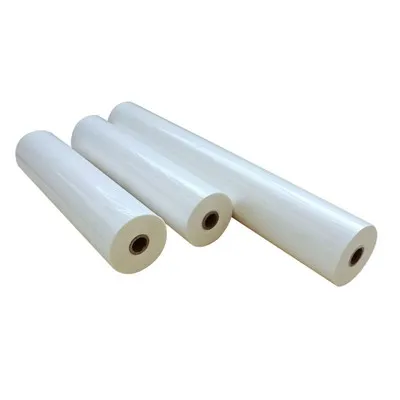
After coating, the pre-coated film needs to undergo drying or curing to form a stable coating. Common methods include thermosetting, UV curing, or electron beam curing. Different processes have different effects on coating properties, such as weather resistance, corrosion resistance, and flexibility. The cured film then needs to be cooled, rolled, or cut for subsequent storage and transportation. The entire production process emphasizes meticulous control and quality inspection. Through scientific process management, it can be ensured that the pre-coated film meets the expected standards in terms of durability, adhesion, and surface aesthetics, satisfying the application needs of multiple fields such as construction, home appliances, and transportation.