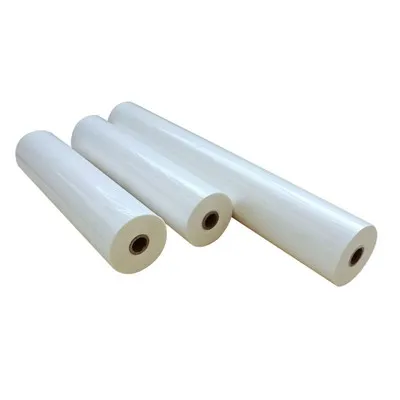
Selecting the right thermal lamination film is essential for businesses looking to produce high-quality, long-lasting laminated products while optimizing production costs and operational efficiency. With a wide range of film specifications and material types available on the market, many buyers struggle to pick the most suitable option for their specific projects. The ideal selection should be based on your actual application scenarios, substrate materials, and performance requirements. Below are the most critical factors to help you make a precise, cost-effective decision.
Base material selection stands as the top priority. BOPP and PET are the two dominant base materials for commercial lamination films, each with distinct characteristics. BOPP film is lightweight, cost-friendly, and highly flexible, making it the go-to option for daily lamination tasks such as book covers, ordinary brochures, and standard product packaging. It offers excellent optical clarity and outstanding fold resistance, preventing cracking during bending and suiting items that require frequent handling. In contrast, PET film features higher rigidity, structural stability, and heat resistance. It delivers superior puncture and tear resistance, making it perfect for heavy-duty and high-end applications including luxury gift packaging, formal certificates, and outdoor durable signage. Despite its higher unit cost, its premium performance justifies the investment for high-standard projects.
Film thickness and surface finish are two key factors affecting product appearance and protection level. Films with a thickness of 12 to 25 microns are thin, flexible, and budget-efficient, ideal for short-term use and lightweight paper substrates. Thicker films ranging from 30 to 50 microns provide enhanced rigidity and robust physical protection, suitable for high-frequency use products that require long-term preservation. For surface finishes, glossy lamination maximizes color brightness and visual impact, widely used for product labels and promotional posters. Matte finishes reduce surface glare, ensuring clear readability under strong light, which is perfect for menus and reading materials. Specialty finishes like soft-touch and embossed textures add unique tactile effects, effectively upgrading product grade and market competitiveness.
Finally, machine compatibility and overall cost efficiency cannot be overlooked. Different films come with unique activation temperature requirements, so you must match the film parameters with your laminator's working range. Low-temperature activated films are specially designed for heat-sensitive substrates such as digital prints and inkjet papers to avoid thermal damage. In terms of cost control, BOPP films are more economical for large-volume ordinary production, while PET films deliver better long-term value for premium projects. Additionally, partnering with reliable suppliers ensures stable film quality with uniform adhesive coating and consistent thickness, effectively reducing defective rates and production downtime. By comprehensively evaluating the above factors, you can select the most suitable lamination material to achieve optimal finished results and maximum economic benefits.