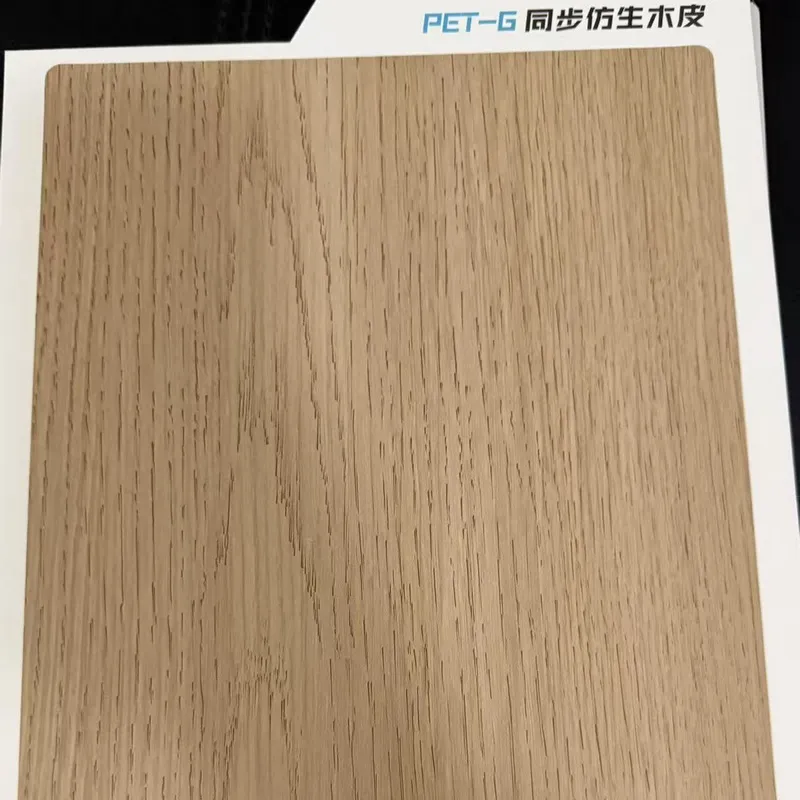
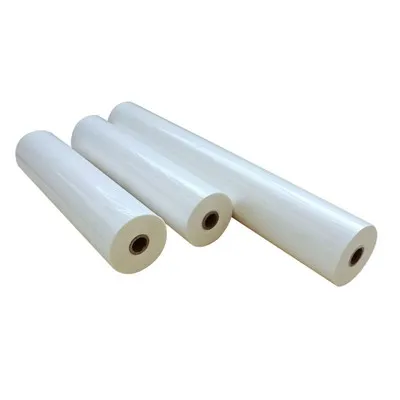
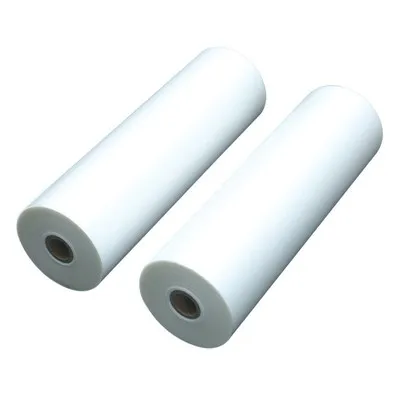
Decorative films are typically based on plastic films. Common plastics include polyvinyl chloride (PVC), polyester (PET), polypropylene (PP), and polycarbonate (PC). These materials offer good flexibility and dimensional stability, facilitating roll transport and processing, and adapting to hot pressing, cutting, and lamination processes. The plastic base film also ensures the decorative film is resistant to cracking or deformation over long-term use.
In addition to the base plastic material, decorative films are usually coated with a functional coating. Coating materials commonly include polyurethane, acrylic, or fluorocarbon resins, which impart properties such as abrasion resistance, scratch resistance, UV protection, or water resistance. Furthermore, the coating can be adjusted in terms of gloss or texture to achieve matte, high-gloss, or silky visual effects, meeting the decorative and protective needs of different applications.
High-end or special-application decorative films may employ composite material structures. Composite films, through multi-layered design, tightly combine the substrate layer, functional coating, and pattern layer, enhancing not only mechanical strength and weather resistance but also achieving diverse decorative effects. By rationally selecting and combining materials, decorative films can achieve a balance between aesthetics, durability, and processing adaptability.