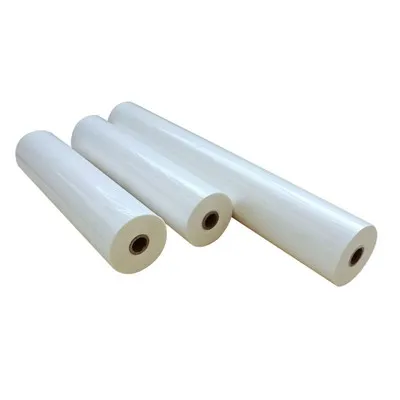
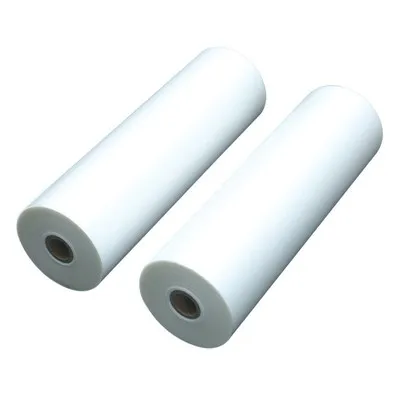
The properties of decorative films are primarily mechanical, including flexibility, tensile strength, and abrasion resistance. Flexibility ensures the film is not easily cracked during bending, lamination, or rolling; tensile strength allows the film to adapt to processing and shaping operations; and abrasion resistance protects the surface from scratches or wear during use. These properties determine the applicability and ease of processing of decorative films in furniture, home appliances, automotive interiors, and other fields.
Chemical and Environmental Resistance
Decorative films typically need to possess properties such as UV protection, corrosion resistance, heat resistance, and water resistance to cope with different indoor and outdoor environmental conditions. For example, outdoor architectural decorative films need to withstand sunlight and weathering, while indoor films need to be resistant to cleaning agents and humidity changes. Good chemical and environmental resistance not only extends the lifespan of the film but also maintains the stability of surface color and gloss.
Decorative and Functional Properties
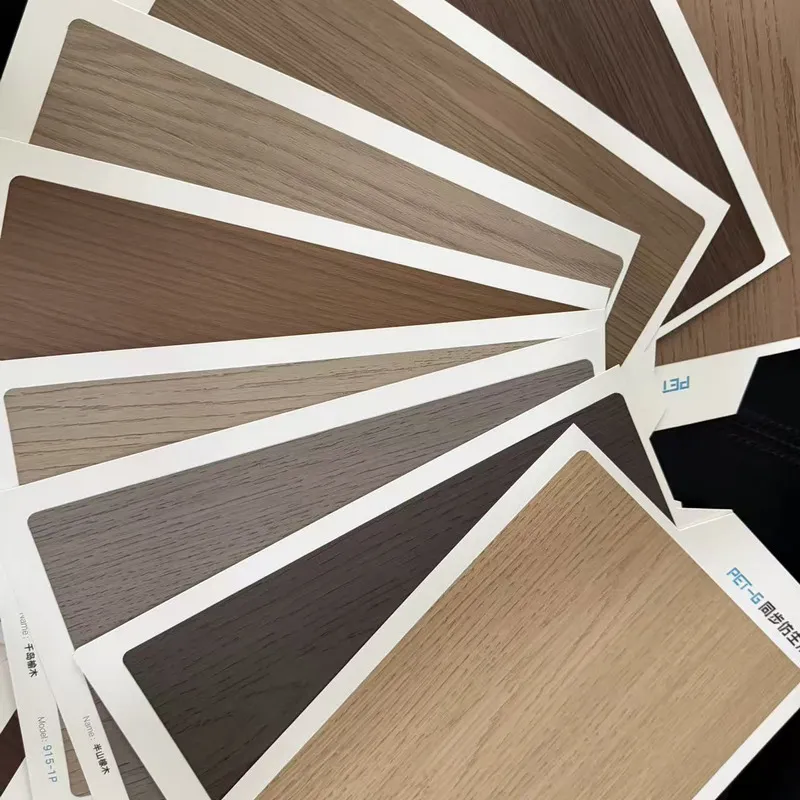
Decorative film surfaces can present a variety of colors, glosses, textures, and patterns, such as wood grain, metallic finishes, or stone textures, to meet design and aesthetic needs. Simultaneously, some decorative films have additional functions such as fire resistance, antistatic properties, or antibacterial properties, making them both aesthetically pleasing and practical in industrial and residential applications. The combination of these properties allows decorative films to both protect the substrate and enhance the overall visual appeal and added value of the product.