Canada's printing sector accelerates circular economy transformation amid provincial carbon reduction regulations and rising consumer preference for zero-waste, fully recyclable packaging across British Columbia, Ontario and Quebec. Sustainable consumer goods, cosmetic and food brands operating Canadian retail channels now mandate mono-material print finishing solutions, as conventional multi-component composite lamination films contaminate paper recycling streams and fail local provincial green packaging audit standards.
Traditional thermal lamination products often incorporate incompatible additive coatings or mixed polymer adhesive layers, making laminated paper impossible to separate during Canadian municipal paper recycling sorting processes. Waste print material processors report over 40% of laminated paper waste was rejected from recycling facilities pre-2025, generating higher landfill waste volumes and carbon tax penalties for print brands and packaging converters nationwide.
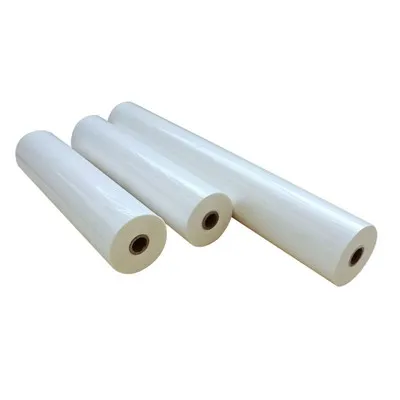
All products adopt standard three-layer co-extrusion structure: functional top coating layer, high-transparency BOPP substrate core, pure virgin EVA hot melt adhesive layer. The separated functional top coating delivers customized surface performance without interfering with thermal lamination adhesion, 100% virgin EVA glue avoids recycled material odor, peeling residue and uneven lamination defects, fully complying with EU, North America and Middle East printing material safety regulations.
The recyclable variant eliminates incompatible composite additives entirely; the single-type BOPP substrate and matching virgin EVA adhesive share identical polymer recycling classification, allowing full separation of film layers and paper pulp during standard Canadian waste reprocessing lines without cross-contamination. Third-party circular economy certification bodies in Toronto confirm laminated paper finished with this material achieves 99% paper pulp recovery rate, fully meeting Canada's Zero Plastic Waste packaging policy benchmarks for eco-focused brands.
Green printing distributors based in Toronto and Vancouver supply recyclable specification rolls of BOPP thermal lamination film to sustainable print houses serving natural skincare, organic food and zero-waste household product brands. Provincial environmental subsidies cover partial raw material upgrade costs for small-to-medium Canadian print factories transitioning to circular print finishing materials, driving rapid market penetration of recyclable thermal lamination solutions.
The recyclable top coating retains scratch resistance, gloss control and ink sealing performance equal to non-recyclable standard lamination rolls, eliminating quality trade-offs for eco-brands shifting to mono-material packaging lines. Major national retail chains including Canadian Tire and Whole Foods Canada now require all supplier packaging to utilize fully recyclable lamination materials by 2027, pushing print converters to phase out non-recyclable composite coating stock.
For independent sustainable print studios catering to local Canadian DTC eco-brands, recyclable BOPP thermal lamination film supports flexible slitting and low minimum order volume requirements, removing high bulk inventory barriers for small-scale green print production. Industry research predicts recyclable mono-material thermal lamination will capture 68% of Canada's commercial print lamination market by late 2027, as carbon taxation and recycling waste restrictions tighten nationwide.