Poland's beauty and personal care packaging sector has recorded double-digit demand growth for satin-textured print finishing materials over the past two years, driven by domestic indie cosmetic labels and EU cross-border beauty brands headquartered in Warsaw and Wrocław. Local packaging converters report that smooth, low-gloss satin carton surfaces have become a core differentiation point for mid-to-high-end skincare, perfume and makeup outer boxes, replacing traditional matte and high-gloss coating materials on over 60% of new seasonal cosmetic packaging orders in 2026.
Local printing manufacturers previously relied on offline water-based varnish to achieve satin visual effects, yet this process carries obvious drawbacks: extended production cycles, extra drying equipment investment, inconsistent gloss uniformity across large carton batches, and weak fingerprint resistance during retail shelf display. As Polish cosmetic brands tighten cost control and raise premium packaging texture standards, converters are rapidly switching to integrated thermal lamination solutions to streamline post-print processing.
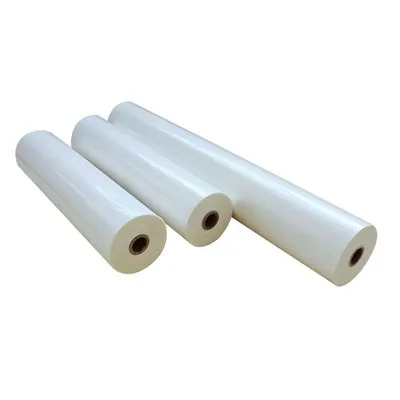
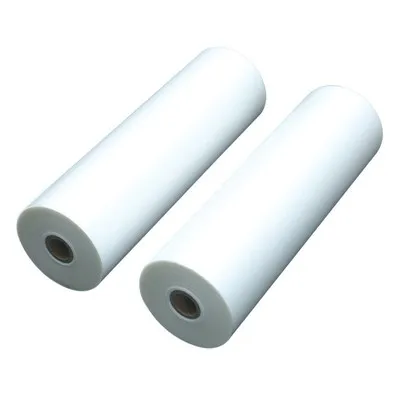
Manufacturers supplying Polish packaging factories specially tailor satin surface functional top coats to match local offset and digital carton printing equipment. All products adopt standard three-layer co-extrusion structure: functional top coating layer, high-transparency BOPP substrate core, pure virgin EVA hot melt adhesive layer. The separated functional top coating delivers customized surface performance without interfering with thermal lamination adhesion, 100% virgin EVA glue avoids recycled material odor, peeling residue and uneven lamination defects, fully complying with EU, North America and Middle East printing material safety regulations.
Satin texture treatment on the top coating eliminates harsh matte dullness while avoiding over-reflective high-gloss glare, perfectly highlighting embossed logos, hot stamping patterns and delicate color gradients on cosmetic paper cartons. Retail testing conducted by Poland's Packaging Federation found cartons laminated with this material retain zero fingerprint marks after repeated customer touching in drugstores and beauty retail chains, greatly cutting after-sales returns caused by stained packaging surfaces.
Logistics and supply chain advantages further fuel local adoption. Warehouse hubs in Poznań maintain permanent stock of satin specification rolls, supporting just-in-time delivery for small-batch indie brand orders and mass production runs for large beauty groups. Print factory operators confirm that switching to BOPP thermal lamination film cuts post-print processing time by 35% compared to separate varnishing workflows, with no additional curing or ventilation steps required after lamination.
EU REACH and Polish cosmetic packaging food-contact safety certifications are fully covered for the substrate and adhesive layers, eliminating brand compliance risks when exporting cosmetic goods to Germany, Czech Republic and other Central European nations. Industry insiders predict demand for satin finish variants will climb 18% year-on-year through 2027, as more Polish beauty brands phase out inefficient offline surface finishing techniques.
For mid-sized Polish converters without large custom coating lines, standard-width satin rolls of BOPP thermal lamination film offer low minimum order quantities and flexible slitting services, removing entry barriers for factories aiming to upgrade their cosmetic packaging product lines without heavy capital equipment upgrades. Local packaging material distributors now list satin thermal lamination rolls as their top-selling cosmetic packaging auxiliary material, marking a permanent shift away from outdated liquid varnish finishing within Poland's beauty print supply chain.