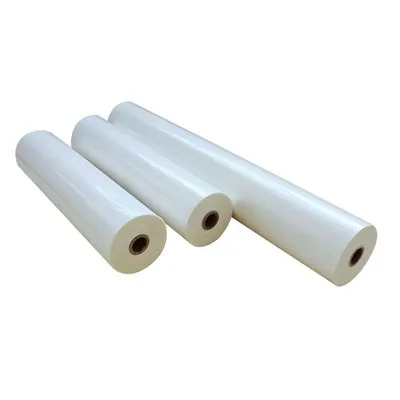
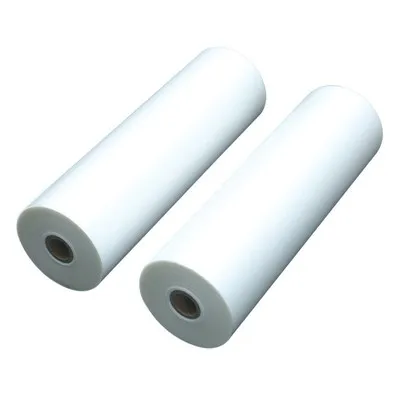
Digital print finishing is often where otherwise perfect print jobs fall apart. Print converters running Xerox, Konica and Fuji digital presses regularly encounter adhesion issues when applying standard laminating films to silicone oil toner. Delamination at creases, bubbled surfaces and weak bonding lead to wasted paper, toner and production hours. Digital thermal film was developed specifically to resolve these recurring digital print finishing failures, delivering stable adhesion and robust performance through folding, creasing and embossing processes.
Lab Testing Result confirms that thick digital hot lamination film maintains strong composite fastness when laminated onto silicone oil and weak solvent ink layers. Standard laminates cannot form a secure bond on these ink types, as silicone additives create a barrier that repels conventional EVA adhesive systems. This specialised digital thermal film overcomes that barrier, forming a uniform bond across the entire printed sheet. After folding and creasing, the film remains attached to the print surface, eliminating one of the most common causes of rejected digital print orders.
How 32 Micron Digital Thermal Film Streamlines Digital Print Production
Gloss and Matte Finish Options for Brand Design Needs
Brands and graphic designers have divergent visual requirements for printed collateral. Some campaigns call for bright, high-gloss surfaces to boost colour vibrancy and draw consumer attention. Other luxury and corporate projects require a soft, non-reflective matte finish to create understated premium texture. 32 Micron Digital Thermal Film is produced in both gloss and matte variants, letting print shops use the same base film grade while meeting different aesthetic demands from clients. Both versions retain the same excellent adhesion performance with digital toner inks and support embossing post lamination.
Reduced Risk Through Pre-Production Sample Testing
One key advantage of sourcing digital thermal lamination film from an experienced manufacturer is access to free sample testing services. Print shops can test the film on their own press, ink and laminator setup before placing bulk orders. This step confirms satisfactory adhesion and finishing results, reducing costly trial and error during production runs. Combined with professional technical support for laminator operating parameters, print operators can quickly optimise their workflow to achieve consistent results from roll to roll.
Quality Assurance for Reliable Bulk Supply
Consistency in roll quality is critical for digital print shops managing tight turnarounds. Every roll of digital hot laminating leaves the factory after strict quality inspection procedures. This quality control process ensures uniform coating and adhesive performance across all shipments, avoiding unexpected defects mid-run. The manufacturer maintains large-scale production capacity and accepts custom orders, supporting print converters with flexible supply whether they need small batches for bespoke jobs or larger volumes for ongoing client work.
Digital thermal lamination film must be engineered to match the unique chemistry of digital toner, and 32 micron digital thermal laminating film is optimised to work with the silicone oil additives found in many widely used digital press inks.
Best Use Cases for This Specialised Digital Laminate
32 micron digital film is ideal for short-run digital print applications, including custom book covers, art catalogues, corporate brochures, retail packaging and point-of-sale advertising materials. These projects frequently use digital toner printing and require post-press folding or embossing to add value. Print shops that adopt this film can confidently offer premium finishing services without the risk of film peeling or surface failure. It is compatible with most common thermal laminating equipment already installed in digital print finishing facilities, so no major machinery upgrades are required.
For digital print finishers tired of adhesion headaches on silicone toner prints, switching to this digital hot lamination film stabilises finishing quality and protects profit margins by cutting scrap. It is a targeted solution built around the real-world challenges of digital press operators. digital thermal laminating tailored for digital toner inks has become a staple material for modern print shops that want to deliver consistent, high-quality laminated digital prints.