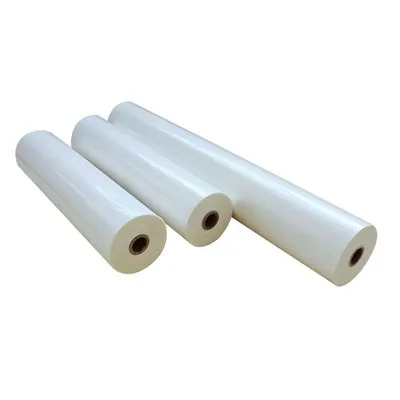
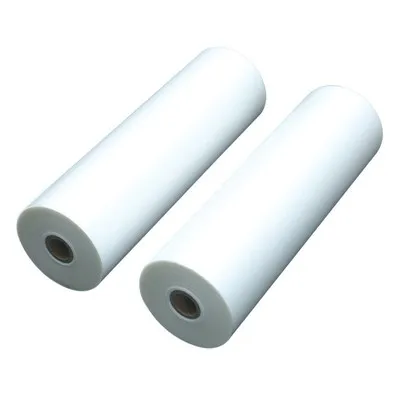
Short-run digital print continues to grow in popularity as brands shift toward customised marketing materials, limited-edition publications and small-batch packaging. While digital presses deliver sharp, fast print output, finishing these toner-based jobs remains challenging. Silicone oil inks used on Konica, Xerox and Fuji digital presses make it difficult for ordinary laminating films to stick securely. 32 micron digital thermal film addresses this gap in the market, offering reliable adhesion, fold resistance and embossing capability for high-value short-run digital print projects.
According to our 15 years of factory production experience, many print service providers underestimate how much ink composition impacts lamination success. Silicone oil added to digital toner prevents ink from sticking to press rollers, but this same silicone creates a release layer that repels standard laminating adhesives. Our digital thermal film's custom adhesive formulation breaks through this barrier, forming a strong composite bond with the printed toner layer. The film stays bonded even when the finished piece is folded, creased or embossed, which is essential for premium short-run products that cannot afford high scrap rates.
Design and Post-Press Flexibility for Premium Print Projects
Dual Finish Options: Gloss and Matte
32 micron digital hot lamination film comes in both gloss and matte surface options, giving print buyers and designers full creative control. Gloss finishes amplify toner colour saturation for eye-catching promotional brochures, retail packaging and point-of-sale displays. Matte options remove surface glare, delivering a calm, high-end texture for art books, corporate annual reports and luxury brand collateral. Both gloss and matte grades maintain identical adhesion performance with digital toner inks and support embossing operations after lamination. This flexibility allows print shops to simplify inventory by stocking one film family to cover both shiny and low-glare finishing requirements.
Add Value With Embossing After Lamination
Many premium short-run print jobs require embossing to create tactile raised designs on covers and packaging. Standard laminates often tear or separate from the paper substrate during embossing, limiting the ability to add this high-margin finishing step. 32 micron thermal laminating is engineered to withstand embossing pressure without delaminating, allowing print converters to offer embossing as part of their digital print service package. This added capability helps print shops differentiate their offerings and command higher pricing for custom print projects.
Low-Risk Procurement and Technical Backing
A key advantage of partnering with a specialised manufacturer of digital thermal lamination film is access to free sample testing. Print operators can test the film on their own digital press and laminator before committing to bulk orders, eliminating unexpected adhesion failures during production. The supplier also provides professional technical support to adjust laminator temperature, pressure and running speed for optimal results. Rigorous factory quality checks on every roll guarantee consistent performance, and custom order support accommodates unique project sizes and requirements.
Why This Film Fits Short-Run Digital Print Business Models
Short-run digital print jobs often carry higher client expectations and tighter tolerances for defects. Rejected sheets can erase profit margins on small custom orders. This thick digital film reduces finishing risk, helping print shops reliably deliver perfect laminated digital prints for custom book covers, art prints, luxury packaging and marketing brochures. It works with the existing thermal laminator equipment already in most digital print finishing facilities, requiring no large capital investment.
For print converters looking to expand their premium short-run digital print service line, 32 micron digital thermal lamination film is a practical, high-performance finishing material. It solves toner adhesion problems and unlocks value-added embossing opportunities for client projects. The hot lamination film designed for silicone oil toner is now a must-have material for print shops aiming to produce durable, high-quality laminated digital prints.