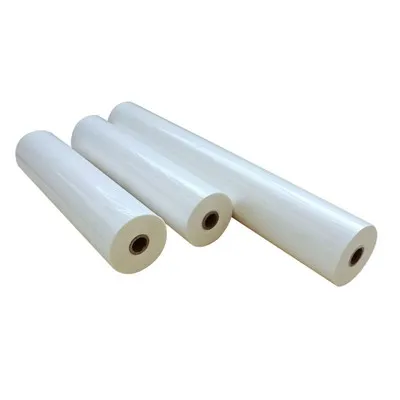
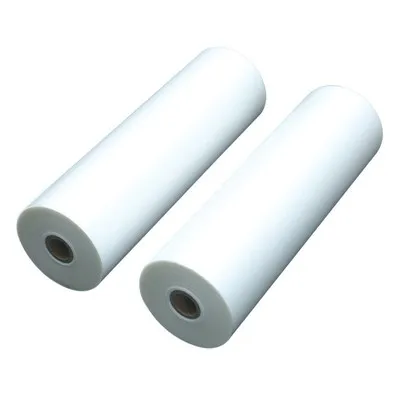
Most commercial print factories run mixed digital and offset print batches, making unified lamination quality difficult with ordinary films. Digital thermal film features dual compatibility with both toner-based digital prints and traditional offset prints, simplifying inventory and stabilizing overall finishing quality for hybrid workflows.
Hybrid print production has become mainstream in modern commercial printing industry. Print shops often receive orders containing both offset bulk prints and digital short-run customized prints. Traditional management method requires stocking two different types of lamination films separately for offset and digital jobs, which increases inventory pressure and complicates material scheduling. Switching frequently between different film types also raises the risk of misoperation and inconsistent finishing standards.
According to our 15 year factory production experience, most general-purpose thermal films are either offset-specialized or digital-specialized, lacking universal adaptability. Offset films fail easily on silicone-containing digital toner, while pure digital films may present overly soft surface performance on thick offset ink layers. This single-function limitation forces many print shops to maintain complex material lists and increases operational management costs.
Our digital thermal lamination film solves this industry-wide pain point through optimized multi-scenario formula design. It retains excellent adhesion performance for difficult digital toner prints with silicone oil components and heavy ink coverage. Meanwhile, it delivers stable flatness, surface hardness and bonding durability for conventional offset printed sheets. This dual-compatibility characteristic allows print shops to use one unified film stock for all laminated print jobs, whether the output comes from digital presses or offset machines.
Lab testing result shows that this film maintains balanced physical performance on hybrid print substrates. It avoids the common defects of dedicated offset films such as digital print peeling, and prevents the excessive softness issue of ultra-thin digital films when applied to offset prints. After folding, die-cutting and creasing, both digital and offset laminated products maintain clean edges and stable lamination layers without quality differentiation.
Unified material specification greatly simplifies workshop operation processes. Production teams no longer need to distinguish film types according to printing processes, reducing material selection errors and shortening job preparation time. Inventory management becomes more efficient, lowering capital occupation and warehouse storage pressure.
For print businesses pursuing standardized operation and simplified management, this universal grade effectively unifies finishing quality across mixed print batches, reduces hidden operational risks and improves overall production efficiency. It supports consistent brand presentation for clients with both mass bulk prints and customized short-run materials.
Digital thermal lamination film designed for hybrid print scenarios has become a preferred inventory upgrade for integrated commercial print and packaging enterprises.