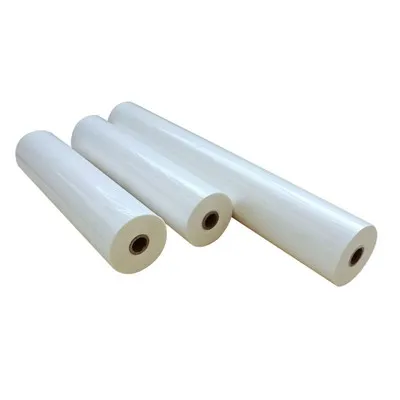
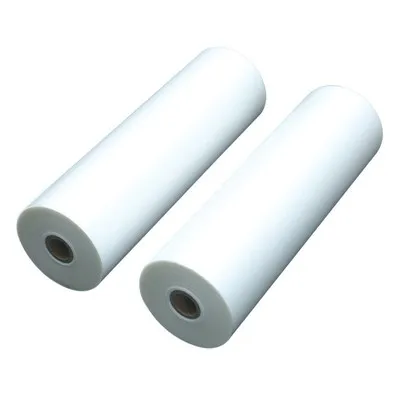
Test samples for pre-coated films typically include two main categories: raw materials (substrate, coating) and finished products (coating surface). Key quality testing items include film thickness, adhesion, corrosion resistance, abrasion resistance, and thermal stability.
Common testing instruments include film thickness gauges, tensile testing machines, salt spray corrosion test chambers, friction and wear testers, and heat distortion testers. Relevant industry standards include the Chinese Light Industry Standard QB/T 2889-2007 Biaxially Oriented Polypropylene (BOPP) Pre-coated Film, which specifies the terminology, classification, requirements, test methods, and inspection rules for BOPP pre-coated films.
Testing methods for pre-coated films primarily target the physical, chemical, and surface properties of the film layer to ensure its quality and reliability. Commonly used physical property tests include film thickness measurement, adhesion testing, and flexibility and impact resistance testing. Film thickness can be measured using a coating thickness gauge or microscopic sectioning to ensure coating uniformity. Adhesion is typically assessed using the cross-cut test or pull-off test to evaluate the bonding between the coating and the substrate. Flexibility and impact resistance are verified through bending, folding, or drop ball tests to determine if the film is prone to cracking or peeling during processing or use.
Chemical properties and weather resistance testing are equally crucial. Corrosion resistance can be evaluated through salt spray tests or acid/alkali solution immersion tests to assess the film's protective effect in humid or chemical environments. Weather resistance can be tested through accelerated aging or UV irradiation to detect fading, chalking, or embrittlement. Furthermore, surface performance testing includes indicators such as gloss, smoothness, and color consistency, which directly affect the film's decorative effect and appearance quality. Through systematic testing methods, the performance level of the pre-coated film can be comprehensively assessed, providing a reliable basis for production, acceptance, and practical application.