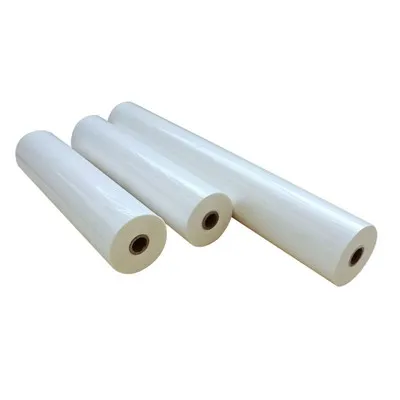
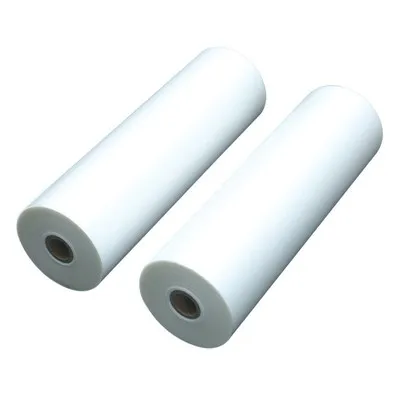
The Australian printing and packaging market has developed distinct preferences for lamination film specifications, shaped by local climate conditions, industry standards and customer quality expectations. Medium-gauge film thicknesses strike the optimal balance between durability and cost for most Australian commercial printing applications, while low-curl properties have become a standard requirement due to the country's dry climate and extreme temperature variations between air-conditioned production facilities and outdoor transport conditions. Australian print buyers and packaging converters consistently rank curl control among their top quality priorities when selecting lamination film suppliers, creating strong demand for products specifically engineered to maintain flatness after lamination.
BOPP thermal lamination film in medium-gauge specifications requires specific production adjustments to achieve the low-curl performance demanded by the Australian market. The primary production adjustment involves balanced coating application on both sides of the BOPP substrate, where carefully controlled back-side coating or surface treatment counterbalances the tension created by the primary adhesive and prime coating layers on the front side. The standard three-layer functional structure remains intact on the bonding side-BOPP base, adhesion-enhancing prime coating and pure EVA heat-activated adhesive-with curl control achieved through symmetric tension management rather than altering the core adhesive system. All functional surface properties on the outer side are applied as independent top-coatings, maintaining the pure composition of the adhesive layer for reliable bonding performance.
Additional production tuning measures address specific Australian market requirements. Drying profile optimization, with gradual temperature ramps through the coating line, prevents uneven stress distribution that can cause curl to develop over time after lamination. Precise tension control throughout the coating and winding processes ensures that film is wound under consistent conditions, minimizing residual stress that could release and cause curl during customer use. Australian-market film specifications often include tighter thickness tolerances than standard commercial grades, as uniform material thickness contributes directly to consistent curl performance across the entire roll width. Many manufacturers supplying Australia also implement extended aging and testing procedures, conditioning finished rolls under temperature cycling conditions to verify long-term curl stability before shipment.
Australian printing companies report significant operational benefits from using properly formulated low-curl medium-gauge films, including reduced jams in finishing equipment, easier handling in bindery operations and flatter finished products that present better to end customers. Packaging converters find that low-curl films improve production efficiency on high-speed packaging lines where curled materials can cause feeding issues and production stoppages. For film manufacturers targeting the Australian market, investing in curl control optimization delivers strong returns through customer loyalty and premium pricing for consistent quality. As Australian print and packaging buyers continue to raise quality expectations, the demand for high-performance low-curl BOPP thermal lamination film in medium-gauge specifications will continue to grow as a standard market requirement.