Southeast Asia's rapidly expanding printing and packaging industry faces unique production challenges due to the region's tropical climate conditions. High ambient temperatures, elevated humidity levels and seasonal weather variations can significantly affect coating line performance for lamination film manufacturers, leading to inconsistent coating weight, longer curing times and increased defect rates. Printing factories and film converters across Indonesia, Thailand, Malaysia and Vietnam frequently report quality fluctuations during monsoon seasons when humidity levels spike, making production consistency a constant operational challenge for both local manufacturers and international suppliers serving the region.
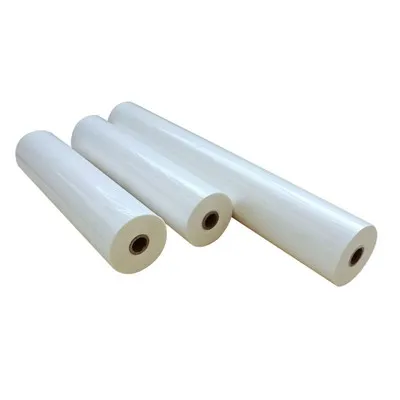
BOPP thermal lamination film production requires specific coating line optimization measures to maintain consistent quality in Southeast Asia's hot and humid climate. The primary adjustment involves coating speed and drying temperature calibration: production lines operating in tropical environments typically run at slightly reduced speeds with incrementally higher drying zone temperatures to compensate for slower solvent evaporation rates in humid air. The three-layer coating structure remains standard, with BOPP base film, adhesion-promoting prime coating and pure EVA heat-activated adhesive layer, but the application parameters for each layer require careful recalibration for high-humidity conditions. All functional surface properties are achieved through top-coating technology applied as an independent outer layer, with no additives mixed into the adhesive layer that could be affected by humidity variations.
Additional optimization measures address specific tropical production challenges. Enclosed coating booths with controlled humidity levels help maintain consistent application conditions regardless of external weather fluctuations, particularly for the prime coating layer where moisture sensitivity is highest. Chilled roller systems prevent BOPP film stretching and dimensional changes that can occur when film temperature rises excessively in hot factory environments. Regular coating weight verification checks, scheduled more frequently than in temperate climate factories, ensure that adhesive application remains within specification ranges throughout production shifts. Many regional manufacturers also install pre-treatment corona discharge systems with power output adjusted for humidity levels, ensuring consistent surface energy on the BOPP substrate for reliable prime coating adhesion.
Printing factories and packaging converters sourcing from optimized production lines report measurable improvements in product consistency and performance reliability. Lamination films produced under climate-adjusted conditions exhibit more stable bonding strength, fewer coating defects and reduced curl issues when used in local printing operations. Regional film manufacturers that invest in climate-specific optimization gain significant competitive advantage by delivering more consistent quality year-round. For international buyers sourcing from Southeast Asian suppliers, verifying that coating lines are properly optimized for local climate conditions provides assurance of reliable product performance. As Southeast Asia's printing and packaging sector continues its rapid growth, climate-optimized production of bopp thermal lamination film remains essential for maintaining quality standards and supporting regional industrial development.