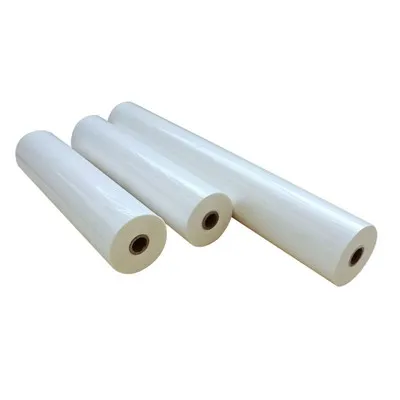
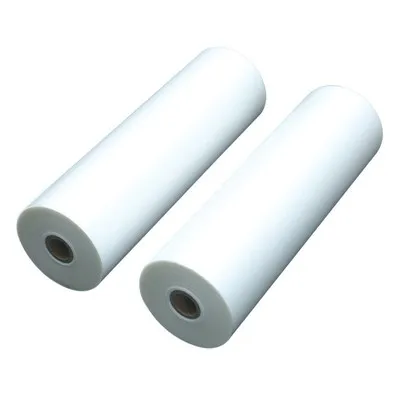
Importers and wholesale distributors maintaining overseas warehouse inventory often encounter quality degradation issues with lamination film products that are not stored according to manufacturer recommendations. Improper storage conditions can cause adhesive deterioration, film curling, reduced bonding performance and even complete product failure before the material reaches end customers. For distribution businesses carrying multiple SKUs across different warehouse locations, implementing standardized storage rules is essential for preserving product quality, reducing waste and maintaining customer satisfaction.
Thermal lamination film products require specific storage conditions to maintain optimal performance throughout their shelf life. Temperature control is the first critical factor: film rolls should be stored in environments between 15℃ and 25℃, avoiding exposure to extreme heat or cold that can affect adhesive properties. High temperature storage accelerates adhesive aging and can cause premature activation of the EVA layer, resulting in blocking issues where film layers stick together within the roll. Freezing temperatures, on the other hand, can make the adhesive brittle and reduce initial bonding strength when the film is eventually used. Humidity control is equally important, with recommended relative humidity levels between 40% and 60% to prevent moisture absorption that could affect both the film substrate and adhesive performance.
Proper handling and positioning practices further contribute to extended shelf life in warehouse environments. Film rolls should remain in their original protective packaging until ready for use, with the end seal intact to prevent dust contamination and moisture ingress. Rolls should be stored vertically on their cores rather than stacked horizontally, which prevents deformation of the film roll and ensures uniform tension across the material. Warehouse staff should avoid dropping rolls or subjecting them to impact damage that can cause creases or delamination within the roll. First-in-first-out inventory rotation ensures that older stock is used before newer shipments, preventing products from exceeding their recommended shelf life while still in warehouse storage.
Light exposure and environmental contaminants represent additional storage considerations. Direct sunlight or strong UV exposure can degrade both the film substrate and surface coatings over time, so storage areas should be protected from direct natural light. Warehouses should also maintain clean air conditions, avoiding storage near chemical vapors, dust sources or oily environments that could contaminate film surfaces and affect printing or bonding performance. Professional manufacturers typically specify a 12-month shelf life from production date under proper storage conditions, and distributors who follow recommended storage practices consistently achieve the full expected product lifespan. Implementing standardized storage procedures across all warehouse locations ensures that thermal lamination film products maintain factory-fresh quality from production through to end customer delivery.