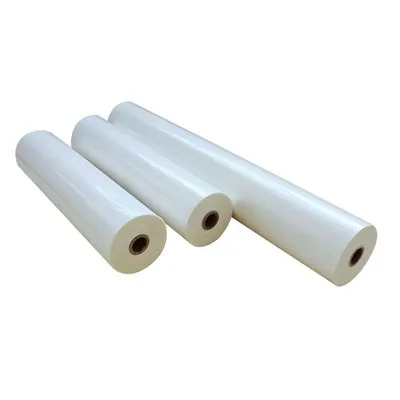
Ultra-thin digital lamination films deliver outstanding performance for folded digital print jobs, yet they have clear process boundaries. Digital thermal lamination film for 22 micron gloss and 27 micron matt excels for brochures and covers, but is not compatible with embossing post-processing.
1. Why Understanding Film Boundaries Matters for Print Converters
B2B print buyers expect predictable results across full post-press workflows. Choosing a high-performance lamination material does not guarantee success if downstream processing steps fall outside product capability. Misapplication causes unexpected job failures, customer complaints and re-print losses. Transparent awareness of application scope forms an important part of reliable finishing operations.
According to our 15-year factory production experience, many quality incidents arise from applying a film beyond its designed process limits, rather than material defect itself. Operators and procurement personnel should clarify both strong-fit scenarios and hard-restricted processes before quoting jobs to clients.
2. Best-Fit Application Scenarios
Ultra-thin 22 micron gloss and 27 micron matt grades are purpose-built for digital toner-based print outputs. They shine for quick-print folded brochures, catalogue covers, menus and other commercial prints subject to frequent folding and indentation.
Lab testing result shows their core strengths: stable adhesion against silicone-oil ink and heavy toner; solid fold-line performance without cracking, peeling-off or turn-white defects. The matt variant provides delicate non-reflective high-end surface texture for premium-grade deliverables. Both grades maintain compatibility with Konica, Xerox, Fuji digital press outputs. For short-run digital orders requiring folding or creasing, these ultra-thin options bring high-yield finishing results.
3. Critical Limitation: Not Applicable to Embossing Process
The most important restriction to communicate internally and toward customers: these thin digital-specialized films are not applicable to embossing process. Attempting embossing / debossing after lamination will lead to unsatisfactory surface outcomes. If projects require embossing decoration, converters should adjust workflow sequence or select alternative material grades suitable for embossing.
Operators should build simple internal job-check rules. When receiving customer specifications including embossing requirements, avoid selecting this ultra-thin film family. For all other typical digital short-run commercial print assignments, digital thermal lamination film brings reliable finishing results. Clear-cut application guidance helps print shops prevent costly mis-specification mistakes and sustain good client trust.