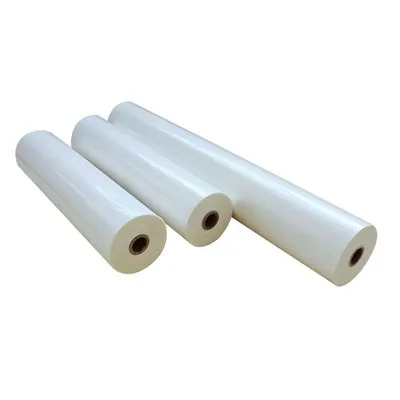
Ultra-thin 22 micron and 27 micron lamination grades bring tangible cost advantages for commercial printing operations beyond defect reduction. Digital thermal lamination film in these slim specifications improves roll yield and lowers transportation weight, delivering combined material and logistics savings for B2B print converters.
1. Cost Pressure Facing Today's Commercial Print Shops
Print service providers constantly manage squeezed profit margins. Raw-material expenses, freight costs and waste loss together shape overall operational expenditure. Many procurement teams only compare per-square-meter price of lamination materials, overlooking secondary cost drivers such as roll running-length, container loading weight and scrap rate. Thick conventional lamination films add extra weight for ocean shipments and bring more frequent roll-change interruptions during production.
According to our 15-year factory production experience, total cost evaluation should combine material price, logistics expense, production efficiency and reject loss. Only assessing unit area price often leads to sub-optimal purchasing decisions for digital print finishing supplies.
2. Material-Side Benefits from Ultra-Thin Substrate Design
For equal roll outer diameter and roll weight, thinner base film delivers significantly longer running meterage per roll. For print-floor operations, longer rolls mean fewer roll-swap cycles. Less frequent roll change reduces production pauses and improves machine utilization rate for busy short-run workshops.
Lab testing result confirms that these ultra-thin variants do not sacrifice core functional performance. They still tackle peeling risks created by silicone-oil ink and heavy toner, and maintain good fold-line durability for brochures and folded collaterals. Both gloss 22 micron and matt 27 micron keep the required bonding capability for mainstream digital press outputs.
3. Logistics and Full-Workflow Economic Value
Lower physical weight per unit area brings direct shipping benefits. When ordering large-volume rolls for overseas procurement, reduced total weight cuts ocean-freight and container-loading costs. This matches the light-weight procurement trend among global print buyers.
Cost saving does not rely solely on material and freight. Stable bonding performance suppresses delamination-related rejects. Lower scrap rate avoids paper, ink and labour waste caused by spoiled batches. When low reject rate, fewer roll-change stops and reduced logistics cost work together, comprehensive operational expenditure decreases for print facilities.
Selecting ultra-thin options needs awareness of process boundaries. These grades are not suitable for embossing workflows. Within applicable application scope, digital thermal lamination film offers balanced quality-and-cost performance for commercial digital print finishing.