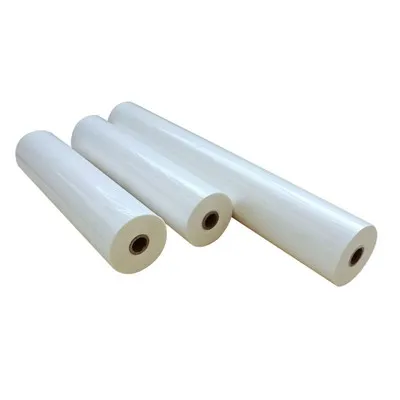
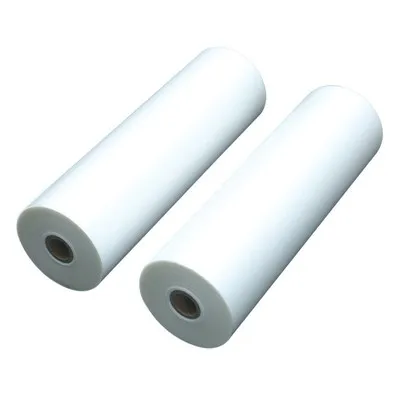
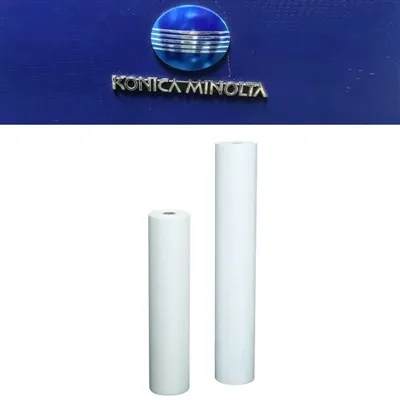
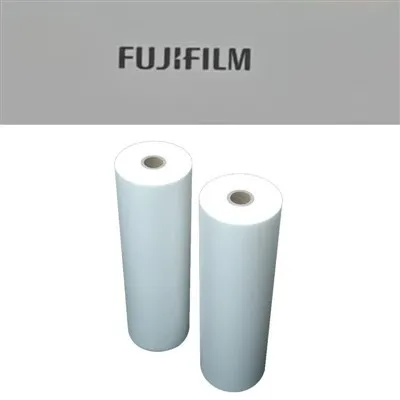
Outputs from Konica, Xerox and Fuji digital presses carry unique ink-surface challenges that often cause lamination instability. Deploying purpose-optimized digital thermal lamination film helps converters unify finishing quality across multi-press workshops and cut waste triggered by delamination.
1. Diverse Surface Challenges from Multi-Brand Digital Presses
Many modern commercial print facilities run mixed-fleet digital production with Konica, Xerox and Fuji equipment side-by-side. Each manufacturer implements proprietary ink and fusing systems. Some formulations contain silicone-oil additives; others produce dense heavy-toner stacked surfaces. When shops apply one general-purpose lamination material for all press outputs, inconsistent quality becomes inevitable.
According to our 15-year factory production experience, a large share of delamination waste happens not because of machine breakdown, but material incompatibility across different digital press chemistries. Sheets printed on one press may laminate perfectly, while jobs from another machine suffer partial lifting or spot-adhesion defects under identical laminator settings. Unplanned rejects bring rework, rush re-printing and production downtime losses.
2. What Makes Multi-Press Compatibility Difficult
Ordinary thermal films are calibrated mainly for offset-printed paper. Their adhesive performance cannot cope with variable surface energy introduced by silicone-oil residues and thick fused-toner layers from different digital press brands. Even fine-tuning temperature, speed and pressure can only improve results partially, and cannot fully resolve material-level incompatibility.
Lab testing result validates that ultra-thin digital-specific grades are engineered for cross-press adaptability. The adhesive system is formulated to handle typical surface conditions generated by Konica, Xerox and Fuji digital workflows. It builds secure bonding whether facing silicone-contained ink or high-density toner coverage, without requiring frequent parameter overhauls whenever switching press sources.
3. Operational Benefits for Mixed-Press Print Workshops
When print houses adopt compatible material, production teams spend less time debugging lamination for each press brand. Delamination-related scrap volume drops. Shops can process orders coming from different digital presses with higher confidence. Operators still need to perform small sample verification for unusual heavy-ink batches, as real-world print conditions keep variable.
With suitable material foundation, digital thermal lamination film creates a wider reliable process window for multi-brand digital print environments. Print service providers improve overall yield, reduce unexpected re-order burden and stabilize delivery schedules for short-run and variable-data jobs.