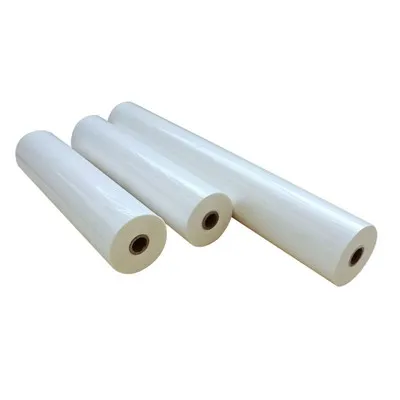
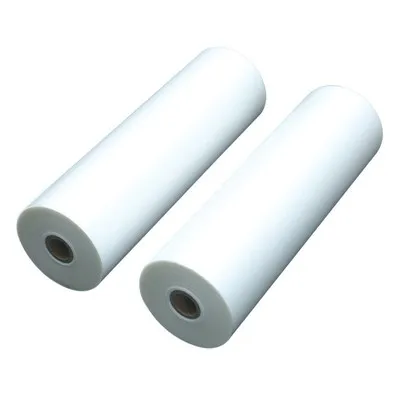
Selecting between 22 micron gloss and 27 micron matt grade directly shapes visual performance and perceived value of finished digital print products. Digital thermal lamination film offered in these two ultra-thin options enables print service providers to match surface finish to end-use requirements for brochures, menus and premium covers.
1. Finish Difference Matters for B2B Print Deliverables
Print buyers today make clear aesthetic demands on commercial outputs. Vibrant colour pop-out or elegant low-glare texture can heavily influence customer impression. Many converters only focus on bonding performance while overlooking surface finish selection, delivering mismatched appearance for menus, brand catalogues, corporate covers and promotional booklets.
According to our 15-year factory production experience, wrong finish selection leads to frequent customer returns even when adhesion and physical durability pass internal quality checks. Gloss and matt variants each serve distinct marketing purposes, and both are built upon ultra-thin substrate design for digital toner-based jobs.
2. Core Characteristics of 22 Micron Gloss Grade
The 22-micron gloss variant prioritizes colour vibrancy and high light transmission. It amplifies colour saturation for graphic-heavy digital prints. This grade fits well for marketing brochures, product flyers and sales collateral where brands want bright, eye-catching visual performance. While ultra-thin, it maintains reliable fold resistance against silicone-oil ink and heavy toner from mainstream digital presses. It is widely adopted for short-run orders where sharp visual presentation is the primary goal.
3. Premium Non-Reflective Texture from 27 Micron Matt Grade
The 27-micron matt option delivers delicate, non-reflective surface touch. Eliminating distracting surface glare, it elevates the high-end look for premium catalog covers, fine-dining menus and formal business documents. End-users can read printed content comfortably under indoor lighting without annoying mirror-like reflections.
Lab testing result confirms the matt grade retains the same robust bonding performance for challenging digital ink and toner surfaces. Operators do not need separate complicated process adjustments when switching between gloss and matt variants within the same product family.
For B2B procurement teams, final application should guide specification decision. High-saturation graphic campaigns lean toward 22 micron gloss; luxury-oriented, reading-focused outputs benefit from 27 micron matt. Digital thermal lamination film in both grades solves common digital print peeling risks while allowing flexible surface finish selection. Print shops can expand finished-product portfolio without adding extra operational complexity.