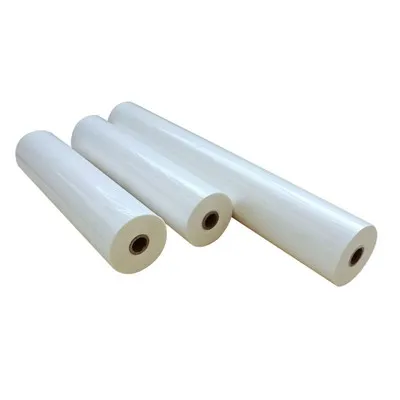
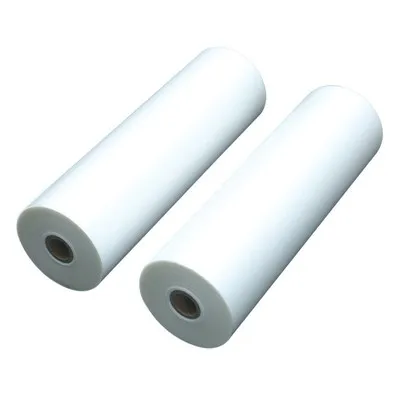
Fold-line peeling and white discoloration are recurring quality headaches for digital print finishing, mostly triggered by silicone-oil-containing ink and heavy toner deposits. Purpose-built ultra-thin digital thermal lamination film delivers robust bonding along creases and folds, eliminating peeling defects without complicated machine readjustment for Konica, Xerox and Fuji digital press outputs.
1. Common Fold-Related Defects in Digital Print Finishing
Commercial quick-print shops and converting facilities frequently face frustrating failures after laminating digital sheets. When brochures, marketing booklets and variable-data materials go through folding or indentation operations, the lamination layer cracks, lifts away from paper substrate, or shows unsightly white marks exactly along fold lines. Many production operators spend substantial time tweaking laminator temperature and pressure, yet these defects keep reappearing batch after batch.
According to our 15-year factory production experience, most fold-peeling complaints do not stem from wrong laminator settings. The root cause comes from print surface conditions. Certain digital press inks carry silicone oil components, while heavy-coverage toner builds a dense, low-energy surface layer. Ordinary general-purpose lamination materials cannot maintain stable adhesion when mechanical stress is applied onto fold zones. Once folded, interfacial bonding breaks and peeling occurs.
2. How 22/27 Micron Specialty Films Address Silicone-Oil and Heavy-Toner Challenges
Standard thermal films are engineered mainly for offset print substrates. They lack the tailored adhesive affinity required to grip silicone-contaminated ink and thick toner layers. Even if initial bonding looks fine on flat sheets, mechanical stress from folding will split the weak interface.
Lab testing result shows that ultra-thin grades formulated for digital workflows are optimized for real-world outputs from Konica, Xerox and Fuji digital presses. The adhesive system is adjusted to cope with silicone oil residue and heavy toner lay-down. Rather than relying on complex pre-treatment or delicate parameter windows, the material itself provides durable anchoring across the whole printed surface, including fold and indentation areas.
With properly matched finishing workflow, digital thermal lamination film keeps film intact without cracking, peeling-off or turning white on folded positions. Print houses no longer need to run repeated trial-and-error tests for every new digital batch. Short-run brochures, folded flyers and multi-page marketing collaterals gain consistent finishing quality.
3. Practical Notes for Shop Operators
While these specialty films greatly improve fold endurance, operators still need to maintain standard post-press cooling before lamination. Hot-off-press sheets carry residual components that may compromise long-term bonding performance. Shops should run small sample folding verification before full-scale production, especially for jobs with deep indentations or multiple repeated folds. When material selection and basic operating disciplines are combined, fold-related reject rates can be significantly lowered for digital print production.