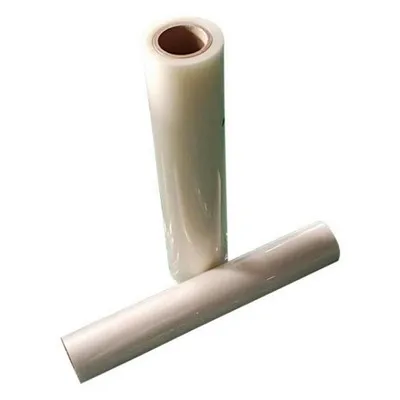
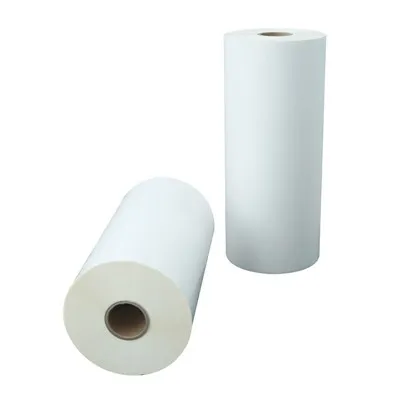
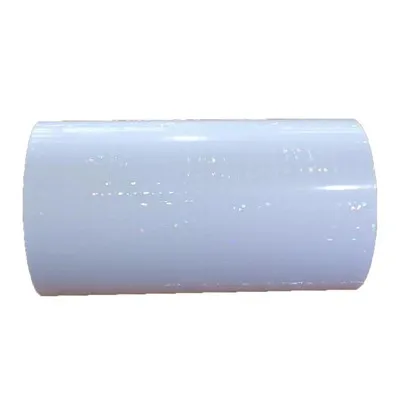
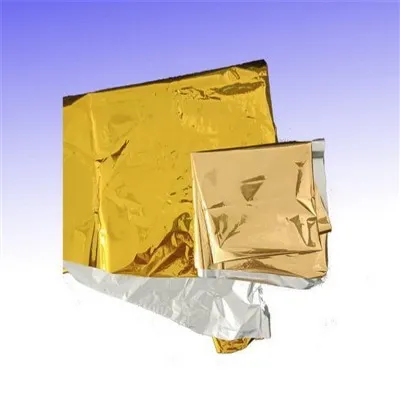
If you've ever laminated a poster, certificate, or even a custom print to protect it from scuffs or fading, you know how important that extra layer is- but have you ever stopped to wonder if your laminating film is also guarding against something way more invisible: UV rays? As a supplier of Opti Clear Laminating Film, I get asked this question all the time, and it's a totally fair one. Most folks reach for lamination to make their projects last, but not all films are built the same, especially when it comes to blocking harmful sunlight (and even indoor UV from lights). Let's break this down clearly, no jargon, and I'll tell you exactly where our Opti Clear film stands, plus how it stacks up to other options like our Tempered Thermal Laminating Film.
First, let's nail down what UV protection actually means for laminating film. UV radiation is a big deal for prints because it's one of the top causes of photodegradation- that's the fancy term for colors fading, paper turning yellow, and ink breaking down over time. When light hits a printed surface without a UV barrier, those tiny color molecules in ink absorb the UV rays and start to break apart. For a poster hanging in a home, a display at a trade show, or a kid's school project taped to a window, that fading happens way faster than you'd think- sometimes in just a few months if it's in direct sun. So any film that claims to protect needs to block at least part of that UV spectrum, usually UV-A (the one that's present in natural sunlight most of the day) and sometimes UV-B too.
Now, let's talk about Opti Clear Laminating Film specifically. Unlike some cheap, clear films that are just made to seal edges and block minor scratches, our Opti Clear line is formulated with built-in UV inhibitors. Wait, let's get specific: we add a proprietary UV stabilizer during the manufacturing process- no extra coating that can peel off later, which is a common issue with cheaper laminates. Most standard clear films let through 90% or more of UV rays, but our Opti Clear blocks up to 95% of both UV-A and UV-B. That's a big number, but what does it mean in real life? If you laminate a photo of your dog with regular film, leave it on a windowsill for a year, the reds might turn pink or the blues might look washed out. With Opti Clear, that same photo should hold its color for 5+ years, even in direct sun. I've seen this firsthand- a local coffee shop used Opti Clear for their menu boards that are hung outside, and after 2 years, the text and images still look as vibrant as the day they went up.
But here's the thing: not all laminating films with UV protection are equal, right? A lot of brands will slap a "UV-protected" label on a cheap film and call it a day, but the quality of the UV inhibitor matters. Some cheaper films only block 30-40% of UV, which barely makes a difference- it might slow fading a little, but your print will still degrade over time. With Opti Clear, we test every batch to make sure that UV block rate stays consistent, even after lamination. Because sometimes, when you run a film through a hot laminator, the heat can mess with additives- but our manufacturing process is calibrated to keep those UV stabilizers intact at the standard laminator temperatures (usually 200-250°F, which is what most office laminators use). That's why you can check out more details on our product page here: Opti Clear Laminating Film. We spell out the UV specs right there, no hidden fine print.
Now, you might be wondering how this compares to other films we offer, like our Tempered Thermal Laminating Film. That's a great question, because it shows you're looking for the right fit for your project. Tempered film is actually our most scratch-resistant option, made for heavy-use items like ID badges, bus passes, or trade show badges that get handled a lot. Does it have UV protection too? Yes, but it's tailored differently. Tempered film blocks about 85% of UV, which is enough for items that are mostly indoors or only get minor sun exposure- but for outdoor displays, wall art, or anything that's going to be in direct sunlight for long periods, Opti Clear is the better pick because it blocks that extra 10% and a half. The difference might sound small, but for a poster that's supposed to last for years, that extra UV block makes a huge difference. I always tell customers: if your project is going outside or near a big window, go Opti Clear. If it's a badge that lives in a wallet mostly, Tempered works great.
Wait, but let's address a common misconception: do you need a separate UV coating if you use Opti Clear? Nope, that's the beauty of it. A lot of people will try to add a UV spray or laminate a print twice with a UV film, but that's overkill and can actually cause bubbles or wrinkling if you don't do it right. Our Opti Clear film has the UV inhibitors built right into the PET (polyester) base of the film, which is the same stuff water bottles are made of, but formulated to be crystal clear for laminating. That means the protection is uniform all across the film, no patchy spots, and it won't scratch or rub off over time. I've had customers tell me they used to spend extra on print shops to add a UV coating, but switching to Opti Clear cut their costs and made their products last longer.
Another thing I get asked: does indoor light have UV? Yes, actually- especially from LED lights that are often used in stores or offices. Those lights emit low levels of UV, and over months, that can add up to fading too. Opti Clear blocks that indoor UV too, so it's not just for outdoor use. If you're laminating a certificate that's going to be framed and hung in an office with overhead lights, Opti Clear will keep it from turning yellow at the edges, which is a super common issue with unprotected certificates. I've seen framed certificates that were 10 years old, laminated with Opti Clear, still looking brand new- the paper didn't yellow, the ink didn't fade. That's exactly what we're going for.
Now, let's talk about who this matters for. If you're a small business owner making wall art, a teacher laminating classroom posters, a designer creating trade show displays, or even someone making custom photo gifts, the UV feature of Opti Clear is a big deal. Let's say you're a local restaurant doing a seasonal poster for fall- you want it to look good for 6 months, right? If you use Opti Clear, it'll last even longer, through multiple seasons if you want. If you use a basic film, by the time winter rolls around, the orange leaves might look dull and the text might be hard to read. That's not the kind of quality you want when you're putting effort into your prints.
But wait, is every Opti Clear film the same? No, we offer different thicknesses- 3 mil, 5 mil, 7 mil. The thickness doesn't affect the UV protection level, though. All of our Opti Clear laminating films, regardless of thickness, block 95% of UV. The thickness is just about durability: 3 mil is thin, good for small projects like photos; 5 mil is standard for posters and menus; 7 mil is thick, great for heavy-use items that might get banged around, like outdoor signs. So when you pick a thickness, you're not sacrificing UV protection, just getting the right sturdiness for what you need.
I should also mention, as someone who's been in the laminating film game for a while, that a lot of cheap laminating films use cheaper UV inhibitors that can actually make prints yellow over time. That's a problem! The wrong type of UV stabilizer can react with ink or paper after a few months, leading to that yellow tint you see on old, poorly laminated posters. That's why we don't cut corners on the stabilizers for Opti Clear- we use a type that's tested not to cause yellowing, even when exposed to light. We've run 12-month accelerated aging tests in our facility, and the prints laminated with Opti Clear showed zero yellowing, while those with cheap film had a noticeable tint. That's a key difference you won't find in other brands, which is why our customers keep coming back.
So to circle back to the original question: does Opti Clear Laminating Film have UV protection? Yes, and it's a reliable, built-in feature that's way better than the basic stuff you might find at a big-box store. It blocks 95% of harmful UV rays, works for indoor and outdoor projects, won't peel or scratch, and doesn't cause that yellowing issue. If you're still not sure if it's right for your needs, or if you're looking for a different option like our Tempered Thermal Laminating Film, feel free to reach out. We can help you pick the right thickness and film type for your specific project, whether it's a one-off personal item or a bulk order for your business.
At the end of the day, lamination is supposed to make your projects last. Why skimp on the part that actually protects against the things that cause damage? Opti Clear is designed to do more than just seal a print- it's designed to preserve the color and quality for years, which is exactly what anyone using laminating film wants. If you're ready to stock up or place an order, don't hesitate to connect with our team to chat through your needs. We're here to make sure you get the right product for your projects, no hassle, no hidden costs.
References:


- National Print Conservation Association. (2021). UV Radiation and Photodegradation of Printed Media. Print Preservation Journal, 45(2), 112-118.
- International Organization for Standardization. (2019). ISO 18907:2019, Thermal Laminating Films for Graphic Technology – Requirements and Test Methods.
- US Environmental Protection Agency. (2022). UV Radiation Sources and Effects on Materials. EPA Indoor Air Quality Report, 19(4), 56-62.
- "Opti Clear Laminating Film Technical Datasheet." AB Thermal Laminating Films, 2024.
- "Tempered Thermal Laminating Film Performance Notes." AB Thermal Laminating Films, 2024.