In the realm of printing and packaging, holographic thermal laminating film has emerged as a captivating solution for enhancing the aesthetic appeal and durability of various printed materials. As a supplier of Holographic Thermal Lamination Film, I often encounter questions from customers regarding its compatibility with different laminating machines. This blog post aims to delve into this topic, providing a comprehensive analysis of the factors that influence compatibility and offering practical insights for ensuring a seamless laminating process.
Understanding Holographic Thermal Laminating Film
Before exploring compatibility, it's essential to understand the nature of holographic thermal laminating film. This specialized film is designed to be applied to printed materials using heat and pressure, creating a protective and visually striking layer. The holographic effect adds a unique and eye-catching dimension to the laminated item, making it ideal for a wide range of applications, including packaging, promotional materials, and identification cards.
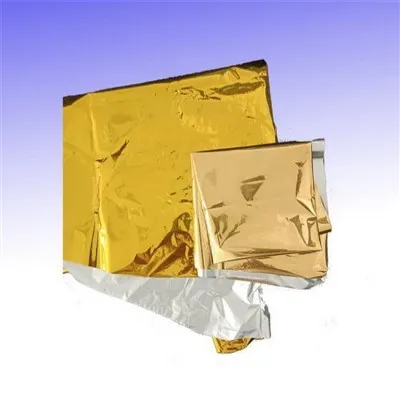
Holographic thermal laminating film typically consists of a base layer, a holographic layer, and an adhesive layer. The base layer provides structural support, while the holographic layer contains the intricate patterns and images that create the holographic effect. The adhesive layer is activated by heat, allowing the film to bond securely to the printed material.
Factors Affecting Compatibility
The compatibility of holographic thermal laminating film with different laminating machines depends on several key factors. Understanding these factors is crucial for selecting the right machine and achieving optimal results.
Temperature and Pressure Requirements
One of the primary factors influencing compatibility is the temperature and pressure settings required for proper lamination. Different laminating films have specific temperature and pressure ranges at which they adhere effectively to the printed material. It's essential to match these requirements with the capabilities of the laminating machine.
Most holographic thermal laminating films require a temperature range of 100°C to 150°C (212°F to 302°F) and a pressure of 1 to 2 bar. However, these values can vary depending on the film's thickness, composition, and the type of adhesive used. Laminating machines typically have adjustable temperature and pressure settings, allowing users to fine-tune the parameters according to the film's specifications.
Film Thickness and Width
The thickness and width of the holographic thermal laminating film also play a significant role in compatibility. Laminating machines are designed to handle specific film thicknesses and widths, and using a film that exceeds these limits can lead to issues such as jams, uneven lamination, or damage to the machine.
The most common film thicknesses for holographic thermal lamination range from 25 to 100 microns. Thicker films generally provide more protection and a more substantial feel, but they may require higher temperatures and pressures for proper lamination. The width of the film should match the laminating machine's maximum width capacity to ensure smooth feeding and consistent lamination.
Machine Design and Functionality
The design and functionality of the laminating machine can also impact compatibility. Some machines are specifically designed for holographic laminating, featuring advanced heating and pressure systems that ensure uniform lamination and minimize the risk of air bubbles or wrinkles.
Other factors to consider include the machine's speed, the type of feed mechanism (manual or automatic), and the availability of additional features such as adjustable rollers or temperature sensors. It's important to choose a laminating machine that is compatible with the specific requirements of the holographic thermal laminating film and the intended application.
Compatibility Testing
To ensure compatibility between the holographic thermal laminating film and the laminating machine, it's recommended to conduct compatibility testing before starting a large-scale laminating project. Here are the steps involved in the testing process:


Select a Sample
Choose a representative sample of the printed material to be laminated and a small piece of the holographic thermal laminating film. Make sure the sample is clean and free of any dust or debris.
Set the Machine
Adjust the temperature and pressure settings of the laminating machine according to the film's specifications. Start with the recommended settings and make small adjustments as needed.
Perform the Lamination
Feed the sample and the film into the laminating machine, following the manufacturer's instructions. Make sure the film is aligned correctly with the printed material and that there are no air bubbles or wrinkles.
Inspect the Results
Once the lamination is complete, carefully inspect the sample for any signs of uneven lamination, air bubbles, or delamination. Check the edges of the laminated material to ensure that the film is securely bonded.
Make Adjustments
If the lamination results are not satisfactory, make adjustments to the temperature, pressure, or speed settings of the laminating machine and repeat the testing process until the desired results are achieved.
Tips for Ensuring Compatibility
Here are some additional tips to help ensure compatibility between holographic thermal laminating film and different laminating machines:
Read the Manufacturer's Instructions
Before using the holographic thermal laminating film or the laminating machine, carefully read the manufacturer's instructions and guidelines. This will provide valuable information about the film's specifications, the machine's capabilities, and the recommended operating procedures.
Clean the Machine Regularly
Regular cleaning of the laminating machine is essential for maintaining its performance and preventing issues such as jams or uneven lamination. Follow the manufacturer's instructions for cleaning the machine, including the rollers, heating elements, and feed mechanism.
Use High-Quality Film
Using high-quality holographic thermal laminating film is crucial for achieving optimal results. Look for films that are specifically designed for use with the laminating machine and that have been tested for compatibility.
Train Your Staff
If you are using a laminating machine in a commercial setting, it's important to train your staff on the proper operation and maintenance of the machine. Make sure they understand the film's specifications, the machine's capabilities, and the recommended operating procedures.
Conclusion
In conclusion, the compatibility of holographic thermal laminating film with different laminating machines depends on several factors, including temperature and pressure requirements, film thickness and width, and machine design and functionality. By understanding these factors and following the tips outlined in this blog post, you can ensure a seamless laminating process and achieve high-quality results.
As a supplier of Holographic Thermal Lamination Film, I am committed to providing our customers with the highest quality products and technical support. If you have any questions or need assistance with selecting the right laminating film or machine for your application, please don't hesitate to contact us. We look forward to working with you to meet your laminating needs.
References
- Manufacturer's instructions for holographic thermal laminating film
- Manufacturer's instructions for laminating machines
- Industry standards and best practices for holographic laminating