In the dynamic world of packaging and printing, embossing thermal laminating film has emerged as a game - changer. As a supplier of this remarkable product, I've witnessed firsthand its growing popularity and the numerous questions that customers often have. One of the most frequently asked questions is about the durability of embossing thermal laminating film. In this blog, I'll delve into what defines its durability, why it matters, and how it can benefit different applications.
Understanding Embossing Thermal Laminating Film
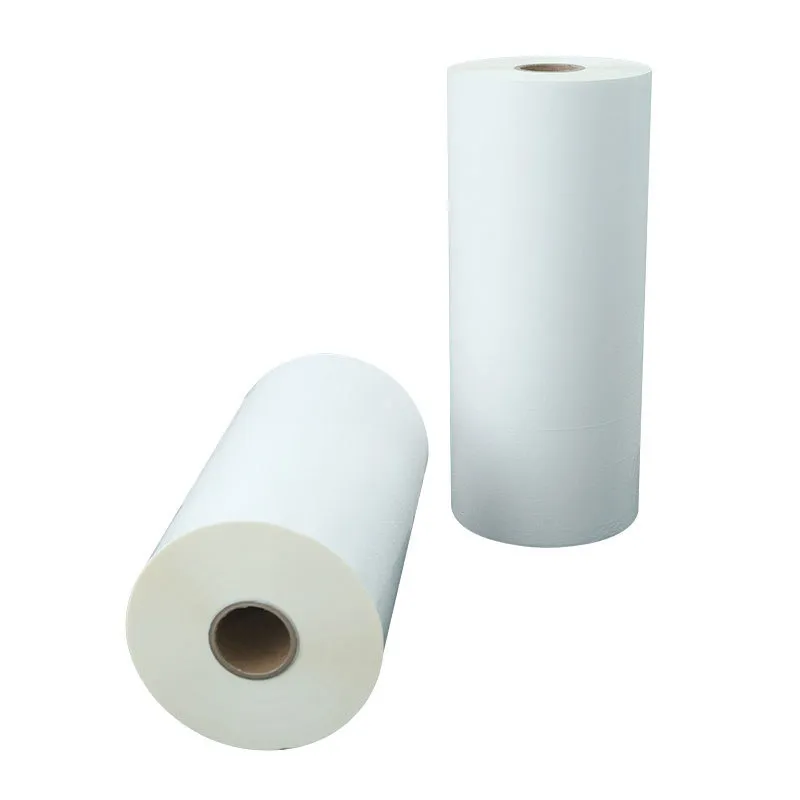
Before we discuss its durability, let's briefly understand what embossing thermal laminating film is. It is a specialized film used in the process of thermal lamination. During this process, heat and pressure are applied to bond the film to a substrate, such as paper or cardboard. What sets embossing thermal laminating film apart is its embossed surface, which can mimic various textures like leather, linen, or wood, adding an extra dimension of elegance and touch - appeal to the laminated material.
This type of film can be found in a wide range of applications, from book covers, greetings cards, and packaging boxes to promotional materials. Each of these applications has different requirements for durability, which we will explore in the following sections.
Factors Affecting the Durability of Embossing Thermal Laminating Film
1. Material Quality
The base material of the film is a paramount factor in determining its durability. High - quality polymers are often used to manufacture embossing thermal laminating films. For example, films made from polypropylene (PP) or polyethylene terephthalate (PET) are renowned for their excellent mechanical properties. These polymers are resistant to tearing, abrasion, and some chemical substances. A film made from low - grade materials may start to show signs of wear and tear much earlier, such as peeling, cracking, or losing its embossed texture.
2. Embossing Process
The way the film is embossed also impacts its durability. A precise and well - controlled embossing process ensures that the embossed pattern is evenly distributed and firmly adhered to the base film. When the embossing is too shallow, the texture may fade quickly, especially with regular handling. On the other hand, if the embossing is too deep, it can weaken the film structure, making it more prone to breakage. Advanced embossing techniques, such as laser embossing, can create more durable and detailed patterns.
3. Lamination Conditions
The conditions under which the film is laminated to the substrate play a significant role in its long - term durability. The temperature, pressure, and speed of the lamination process need to be carefully calibrated. If the temperature is too low, the film may not bond properly, leading to delamination over time. Conversely, excessive temperature can damage the film, causing it to shrink or distort. Similarly, incorrect pressure can result in uneven bonding or air bubbles, which can compromise the film's integrity.
4. Environmental Factors
The environment in which the laminated product is placed also affects the durability of the embossing thermal laminating film. Exposure to extreme temperatures, high humidity, and direct sunlight can all have negative impacts. For example, in a hot and humid environment, the film may absorb moisture, causing it to warp or lose its adhesive properties. Prolonged exposure to sunlight can lead to UV degradation, fading the film's color and weakening its structure.
Measuring the Durability of Embossing Thermal Laminating Film
There are several industry - standard tests used to measure the durability of embossing thermal laminating film.
Abrasion Resistance
This test measures how well the film can withstand friction. A standard method involves rubbing the film surface with an abrasive material under a specified pressure and number of cycles. A film with high abrasion resistance will show minimal signs of wear, such as no visible scratches or loss of embossed texture.
Tear Resistance
Tear resistance is crucial, especially for applications where the laminated product may be subject to rough handling. This test involves applying a gradual or sudden force to tear the film. A durable embossing thermal laminating film will have high tensile strength and resist tearing.

Adhesion Strength
The ability of the film to stay bonded to the substrate is essential. Adhesion strength tests typically involve peeling the film from the substrate at a controlled angle and speed. A strong bond indicates that the film will not delaminate easily during normal use.
UV Resistance
Films used in applications with potential sunlight exposure need to have good UV resistance. This is measured by exposing the film to a UV light source for a set period and then evaluating any changes in color, gloss, or mechanical properties.
Benefits of Durable Embossing Thermal Laminating Film
Protection
A durable embossing thermal laminating film acts as a protective layer for the substrate. It safeguards the printed content from dirt, moisture, and general wear and tear, thereby extending the lifespan of the product. For example, in the case of book covers, a durable film will prevent the pages from getting damaged, keeping the book looking new for a longer time.
Aesthetics
The embossed texture of the film enhances the visual and tactile appeal of the product. A durable film ensures that this aesthetic quality is maintained over time. The embossed pattern remains sharp and distinct, providing a high - end look that can boost the perceived value of the product.
Cost - Effectiveness
Although high - quality durable films may have a slightly higher upfront cost, they offer cost - savings in the long run. Since they last longer, there is no need for frequent replacements. This is especially beneficial for businesses that produce large quantities of laminated products.
Applications and the Need for Durability
Packaging
In the packaging industry, embossing thermal laminating film is widely used to enhance the appearance of boxes, bags, and labels. For food packaging, the film needs to be durable enough to withstand the rigors of transportation, storage, and handling. It also needs to provide a barrier against moisture and oxygen to preserve the quality of the product inside. For luxury goods packaging, the durability of the film ensures that the elegant embossed look is maintained, which is crucial for brand image.
Printing
Printed materials such as brochures, catalogs, and posters often use embossing thermal laminating film to add a luxurious touch. These materials are often handled and distributed extensively. A durable film will prevent smudging, scratching, and yellowing, ensuring that the printed content remains clear and vibrant.
Decorative Purposes
In the realm of interior decoration, embossing thermal laminating film can be used on furniture, wall panels, and doors. For these applications, the film needs to be highly durable to withstand regular contact, cleaning, and environmental changes. A durable film will maintain its appearance and texture, contributing to the overall aesthetics of the space.
Conclusion
The durability of embossing thermal laminating film is a multi - faceted concept that depends on various factors, from the quality of materials to the environmental conditions. As a supplier, we are committed to providing high - quality films that meet the diverse durability requirements of different applications. Our Embossed Thermal Lamination Film is manufactured using the latest technologies and undergoes strict quality control to ensure excellent durability.
If you are looking for a reliable embossing thermal laminating film for your packaging, printing, or decorative needs, we would be more than happy to assist you. Our team of experts is ready to answer your questions and provide you with detailed information about our products. We invite you to contact us to discuss your specific requirements and explore how our embossing thermal laminating film can add value to your products.
References
- "Plastics in Packaging: Properties, Processing and Technology" by Moshe Margel.
- "The Handbook of Laminating and Coating Technologies" edited by Charles W. Paulson.
- Industry reports on the thermal laminating film market.