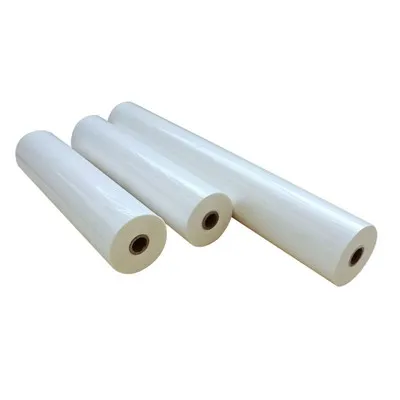
Konica, Xerox, Fuji digital presses produce prints with distinct surface and thermal characteristics, making universal lamination parameters ineffective. Matching digital-specific lamination film with brand-targeted temperature and speed tuning delivers consistent, stable finishing quality for mixed-brand digital print workflows.
1. Unique Characteristics of Multi-Brand Digital Print Substrates
Mixed-brand digital print production is common in modern commercial print shops, with Konica, Xerox, Fuji presses covering most short-run and variable-data print orders. Each brand adopts exclusive toner formulas and fusing technologies, resulting in completely different surface energy, thermal sensitivity, and surface flatness of finished prints. Using unified lamination parameters for all print sources inevitably causes unstable quality.
HP Indigo uses unique liquid electro-ink instead of dry toner, forming ultra-smooth ink layers with high thermal sensitivity, prone to image shift under excessive lamination heat. Xerox dry toner forms rugged, particle-stacked surfaces with obvious micro gaps, requiring sufficient adhesive flow for effective bonding. Ricoh toner substrates feature moderate surface hardness and compact fusing effects, with stable but formula-specific bonding requirements.
According to our 15 year factory production experience, over 70% of inconsistent digital lamination quality in mixed-press workshops comes from mismatched parameters and universal standard films, rather than equipment failure or printing errors.
2. Standard Film Structure and Its Adaptability Limitations
Qualified industrial lamination films adhere to the standard three-layer co-extrusion structure: independent functional top coating for surface protection, high-stability BOPP substrate core, and pure virgin EVA hot melt adhesive layer. The separated top coating ensures anti-scratch, anti-curl and color protection performance without interfering with adhesive bonding functions.
General-purpose thermal films adopt fixed EVA adhesive formulas that cannot adapt to the diverse surface characteristics of multi-brand digital prints. Their single curing and flowing performance cannot meet the differentiated bonding needs of Indigo liquid ink, Xerox rugged dry toner, and Ricoh compact toner substrates, leading to occasional bubbling, weak adhesion, or ink damage.
3. Brand-Specific Parameter Optimization & Material Matching
Lab testing result verifies that professional digital thermal lamination film features a wide-tolerance optimized pure EVA adhesive formula, compatible with all three mainstream digital press outputs. Its balanced melt flow and thermal stability create a flexible process window for operators to adjust temperature and speed according to print characteristics.
For HP Indigo prints, operators should adopt moderate temperature and medium lamination speed to avoid thermal deformation of liquid ink layers while ensuring complete adhesive bonding. For Xerox heavy toner prints, properly extended thermal dwell time promotes full adhesive penetration into toner micro gaps to enhance anchoring force. For Ricoh digital prints, baseline medium parameters with fine incremental adjustments can achieve the best finishing effect.
Reasonable roller pressure coordination assists air discharge and tight lamination fitting. With adaptive parameter tuning and professional material support, digital thermal lamination film unifies the finishing quality of multi-brand digital print jobs, reduces process debugging workload, and effectively eliminates batch quality differences in mixed digital print production.