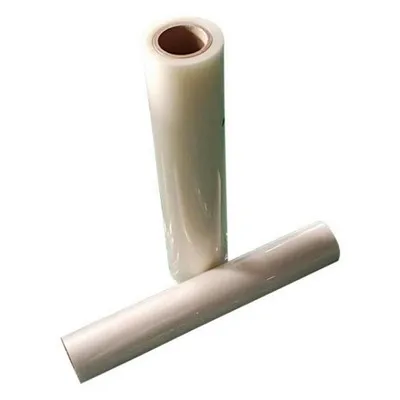
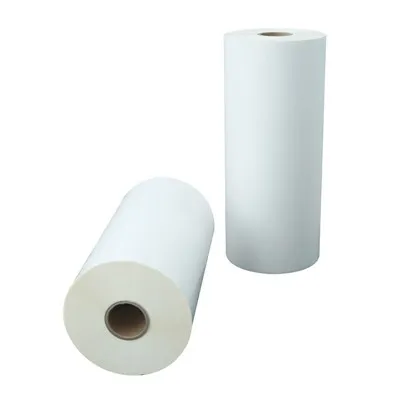
Hey everyone, if you’re in the printing or packaging game, you’ve definitely run into lamination films—they’re the unsung heroes that turn plain prints into something durable, polished, and ready for whatever comes their way. But today, I want to break down the two big ones people always ask about: embossed thermal lamination film and cold lamination film. As a supplier of embossed thermal lamination film, I’ve spent years talking to clients about which one works for their specific needs, so I’m gonna keep this real, no jargon, just straight talk. Let’s dive in.
First, let’s get the basics out of the way—what even are these two? Thermal lamination (in general) uses heat and pressure to melt a adhesive layer that sticks the film to your print. Embossed thermal lamination film adds a textured pattern—think matte, brushed, leather-grain, even subtle geometric designs—on the outer surface right out of the heat press. And cold lamination? It uses a pressure-sensitive adhesive that sticks when you roll or press it, no heat required. That core difference—heat vs. no heat—shapes almost everything else, from ease of use to cost to what they’re best for.
Let’s start with ease of use, because that’s a huge factor for small shop owners or people who don’t have a ton of extra time. Cold lamination film is super user-friendly, right? You don’t need a fancy thermal laminator—you can do it with a hand roller, even a brayer if you’re doing a small job. It works on basically any printer output, too—inkjet, laser, even some home prints that thermal laminators tend to smudge. That’s a big win for people who are just starting out, or doing one-off jobs like a single poster or a custom sticker. But wait, there’s a catch with cold lamination: you have to line it up perfectly, and if you get bubbles, they’re a nightmare to fix. No heat to help smooth things out, so you’re basically fighting the adhesive to get a flat finish. I’ve had clients tell me they spent 20 minutes popping tiny bubbles with a pin just to get a clean look.
Now, embossed thermal lamination film. You need a thermal laminator, obviously, but modern ones are pretty accessible—even the mid-tier machines that most print shops own. The embossed pattern is pressed into the film when it goes through the heated rollers, so you don’t have to mess with applying texture separately. And the heat actually activates the adhesive, so it bonds way faster and flatter. No bubbles, for the most part—any tiny ones get smoothed out by the heat and pressure. That’s a huge time saver for bulk jobs. Imagine doing 50 business cards or 100 posters in an hour vs. fighting cold lamination for twice that time. For shops that crank out high volume, this is a no-brainer.
Next, durability. Both films are tough, but where do they differ? Cold lamination’s adhesive is pressure-sensitive, which means it’s flexible, but it’s not as strong as the melt-on adhesive in thermal films. I’ve seen cold laminated menus start peeling at the edges after a month of being touched, especially if they get damp. Thermal films, especially embossed ones, have that extra bond from the heat—they stick way better to the print, even around the edges, so peeling is rare. Also, the embossed texture on our embossed thermal lamination film is actually a bit more resistant to scratches than the flat surface of cold film. Wait, let’s test that logic: a flat surface takes a direct hit, while a textured surface dissipates that impact a little. Yeah, that makes sense. If you’re making something that’s gonna take a beating—like a placemat, a outdoor sign, or a children’s book cover—embossed thermal lamination film holds up way longer. Cold lamination might work for a single event, but not for long-term use.
Cost is another big question everyone has. Let’s break it down: cold lamination film is cheaper upfront, right? You don’t need to buy a thermal laminator, so if you’re only doing a few jobs a month, that’s a win. But here’s the catch for bulk: when you have to do jobs manually, your labor cost goes up. I’ve had a client who was doing 200 flyers a month with cold lamination—they spent 3 hours a week on it, which added up to way more than if they’d just invested in a small laminator and used embossed thermal lamination film. For small jobs, cold might be cheaper, but for anything over 50 pieces, thermal is actually more cost-effective in the long run. Also, embossed films might seem a bit pricier than flat thermal films, but you’re getting that texture for an extra cost that clients are often willing to pay—they’ll pay more for a leather-grain business card that stands out, so the ROI is higher for you.
Wait, let’s talk about finish options, because that’s where embossed thermal lamination film really shines. Cold lamination usually comes in matte or glossy finishes, right? Maybe a few specialty ones, but not a ton. Embossed thermal films? You can get so many different textures—brushed aluminum, pebble grain, linen, even holographic embossed patterns if you want something flashy. That’s a huge selling point for designers or businesses that want their product to stand out. A café might use a leather-grain embossed film for their menus to feel upscale, while a clothing brand might use a subtle linen texture for their lookbooks. Cold lamination just can’t replicate that kind of textured, high-end finish. I’ve had clients come to us specifically because they wanted that embossed look, and they said cold lamination just didn’t feel “premium” enough for their brand.
But let’s not sleep on cold lamination’s strengths, because it’s not all bad. If you’re working with something that can’t handle heat—like a print with water-based ink, or a delicate art piece that might warp from the heat of a thermal laminator—cold lamination is your go-to. I’ve had a client who does custom watercolor prints, and thermal lamination would make the ink bleed, but cold ligation preserved the art perfectly because no heat was involved. Also, for very large formats—like a 10-foot banner—some people prefer cold lamination because thermal laminators for that size are super expensive, and cold works with hand rollers that are easier to move around big pieces. That’s a niche, but it’s real.

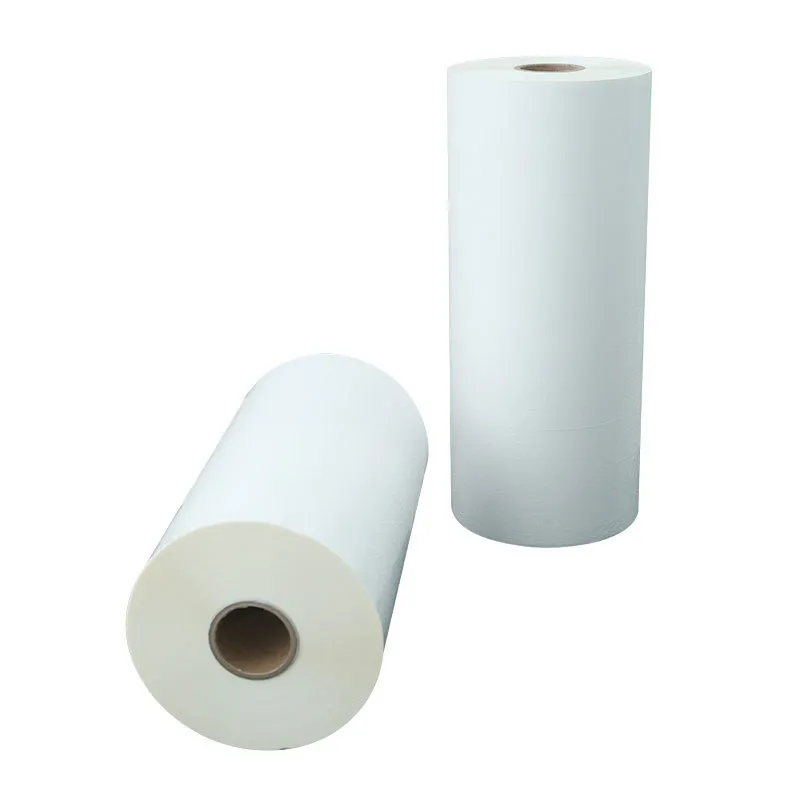
Now, let’s get into the nitty-gritty of how they work with different printers. Laser printers are the easiest for thermal lamination, because the toner is heat-fused, so when you run it through the laminator, the toner bonds with the adhesive on the film. Inkjet printers, though—some people have issues with smudging, but modern inkjet films are made to work with thermal, no problem. Cold ligation works with any printer, no special tricks, which is why it’s popular for home users. But if you’re using a laser, embossed thermal lamination film is just way more reliable—no smudging, no weird adhesion issues.
I should also mention maintenance, because that’s something people overlook. Cold lamination tools—hand rollers, brayers—get sticky over time, so you have to clean them every few jobs, otherwise you’ll get adhesive on your prints. Thermal laminators, on the other hand, need to be checked for residue, but most modern ones have non-stick rollers, so they’re pretty low maintenance. As long as you keep them free of dust, they’ll work for thousands of jobs.
Let’s talk real-world examples, because that’s what makes this make sense. Say you’re a local print shop: which do you pick? If you’re getting a bulk order of 500 business cards, embossed thermal lamination film is perfect—you can crank them out fast, they look great, and they’re durable enough that clients won’t have to reprint them in a month. If you’re doing a custom invitation with a delicate watercolor inside, cold lamination is the way to go, because heat would damage the art. If you’re a small business owner doing a handful of flyers for a garage sale, cold ligation is cheap and easy, no need to buy a laminator. If you’re doing a set of menus for a restaurant that needs to last 6 months, embossed thermal lamination film is worth the extra cost because it won’t peel or scratch.
Wait, I want to be clear: I’m not saying one is better than the other. It’s all about what you need. But from my perspective as an embossed thermal lamination film supplier, I see a lot of people choosing cold lamination just because they don’t know about the options with thermal, or they don’t realize how much time and money they’ll save in the long run. The embossed finish is a game-changer for making prints stand out, and the durability is unmatched for most commercial uses.
Oh, and one quick thing: a lot of people ask if embossed thermal lamination film is harder to apply. No, not really. It works the same way as flat thermal film—you just feed it through the laminator with your print, and the embossed pattern is pressed in automatically. No extra steps, no special skills. The texture is consistent every time, which is way harder to do with hand-applied cold lamination.
So, to wrap this up: cold lamination is great for small, low-bulk jobs, delicate materials, and anyone who doesn’t want to invest in a thermal machine. Embossed thermal lamination film is better for high volume, long-term durability, premium finishes, and saving time on labor. It’s a no-brainer for print shops, packaging businesses, and anyone who needs their prints to look good and last.
If you’re ready to test out embossed thermal lamination film for your next project, you can check out our offerings here: Embossed Thermal Lamination Film. We’ve got all the textures, sizes, and thicknesses to fit whatever you’re making. Whether you’re a small shop or a large-scale operation, we can help you find the right film for your needs. Reach out to us to discuss your project, and we’ll work with you to get the perfect solution.
References:
- PrintWeek. (2022). "Lamination Technology: A Comparative Analysis for Commercial Printing".
- Packaging Digest. (2021). "Durability Metrics for Lamination Films in Retail and Food Applications".
- Specialty Graphic Imaging Association (SGIA). (2023). "Best Practices for Laminator Operation and Film Selection".
- Local Print Shop Association. (2022). "Cost-Benefit Analysis of Lamination Methods for Small to Mid-Volume Jobs".