What is the anti - static discharge property of anti - scratch gloss laminating film?
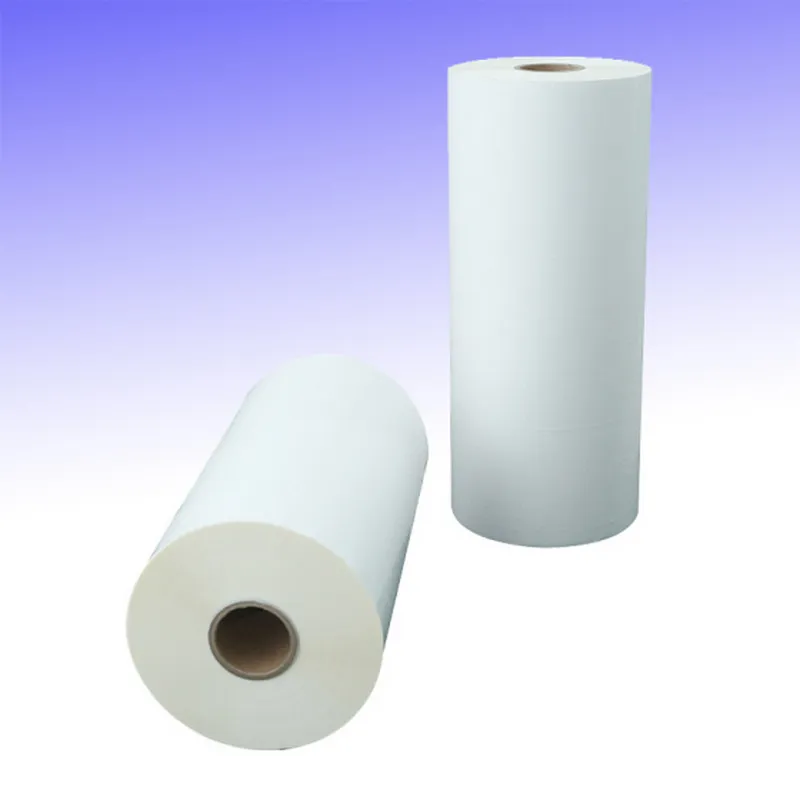
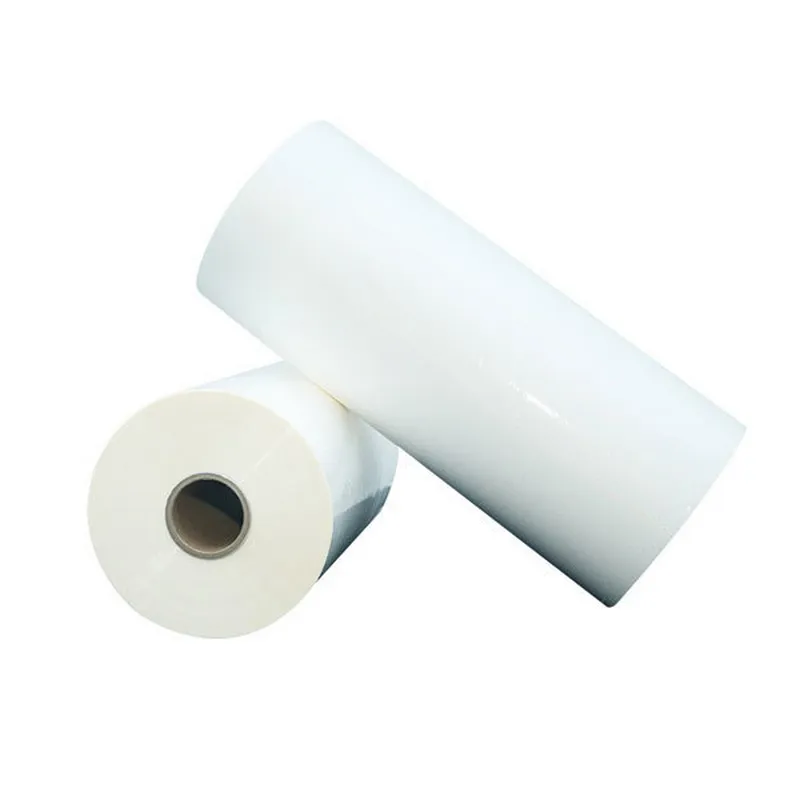
In the realm of packaging and printing, anti - scratch gloss laminating film has emerged as a popular choice for enhancing the durability and aesthetic appeal of printed materials. As a leading supplier of Anti - scratch Gloss Laminating Film, I am often asked about the anti - static discharge property of this remarkable product. In this blog post, I will delve into the concept of anti - static discharge in anti - scratch gloss laminating film, explore its importance, and discuss how it benefits our customers.
Understanding Anti - Static Discharge
Static electricity is a common phenomenon that occurs when there is an imbalance of electric charges on the surface of an object. When two materials come into contact and then separate, electrons can be transferred from one material to the other, resulting in a build - up of static charge. This static charge can cause a variety of problems, such as attracting dust and debris, interfering with electronic devices, and even causing sparks that can lead to fires or explosions in certain environments.
Anti - static discharge (ESD) refers to the ability of a material to prevent or reduce the build - up of static electricity and to safely dissipate any static charge that does accumulate. In the context of anti - scratch gloss laminating film, anti - static discharge properties are crucial for several reasons.
The Importance of Anti - Static Discharge in Anti - Scratch Gloss Laminating Film
-
Dust and Debris Prevention
One of the most obvious benefits of anti - static discharge in anti - scratch gloss laminating film is its ability to prevent the attraction of dust and debris. In a manufacturing or printing environment, dust and debris can easily settle on the surface of printed materials, which can mar the appearance of the final product. By having anti - static properties, the laminating film repels dust particles, ensuring that the laminated materials remain clean and presentable. -
Protection of Electronic Components
In some applications, anti - scratch gloss laminating film is used to protect electronic components or devices. Static electricity can cause damage to sensitive electronic parts, leading to malfunctions or even permanent failure. The anti - static discharge property of the laminating film helps to prevent electrostatic discharge from occurring, thereby safeguarding the integrity of the electronic components. -
Improved Processing Efficiency
During the lamination process, static electricity can cause the film to stick to machinery or other surfaces, which can disrupt the production line and lead to downtime. Anti - static discharge properties in the laminating film reduce the likelihood of such sticking, allowing for smoother and more efficient processing. -
Enhanced User Experience
For end - users, products laminated with anti - static film are more pleasant to handle. They do not attract dust or cause static shocks, which can be a nuisance. This improves the overall user experience and can enhance the perceived value of the product.
How Anti - Scratch Gloss Laminating Film Achieves Anti - Static Discharge
Anti - scratch gloss laminating film achieves anti - static discharge through the use of special additives or coatings. These additives or coatings contain conductive materials that allow the static charge to flow across the surface of the film and dissipate safely.
There are two main types of anti - static additives used in laminating films: internal additives and external coatings.
-
Internal Additives
Internal additives are incorporated into the polymer matrix of the laminating film during the manufacturing process. These additives work by migrating to the surface of the film over time, where they form a conductive layer. This conductive layer helps to prevent the build - up of static charge by allowing electrons to move freely across the surface of the film. -
External Coatings
External coatings are applied to the surface of the laminating film after it has been manufactured. These coatings typically contain conductive polymers or other materials that provide a high level of anti - static protection. External coatings can be more effective in providing immediate anti - static properties, but they may be more susceptible to wear and tear over time.
Testing and Certification of Anti - Static Discharge Properties
To ensure that our anti - scratch gloss laminating film meets the highest standards of anti - static discharge performance, we conduct rigorous testing. These tests measure the surface resistance of the film, which is a key indicator of its anti - static properties. A lower surface resistance indicates better anti - static performance.
In addition to our in - house testing, our products are also certified by independent third - party organizations. These certifications provide our customers with confidence that our anti - scratch gloss laminating film meets industry standards for anti - static discharge.
Comparison with Anti - scratch Matt Laminating Film
While both Anti - scratch Gloss Laminating Film and Anti - scratch Matt Laminating Film offer anti - scratch and anti - static properties, there are some differences between the two.
The gloss laminating film provides a shiny, reflective surface that enhances the visual appeal of printed materials, making colors appear more vibrant. On the other hand, the matt laminating film offers a non - reflective, smooth finish that gives a more elegant and sophisticated look.
In terms of anti - static performance, both types of films are designed to effectively prevent static build - up. However, the choice between the two may depend on the specific application and the desired aesthetic effect.
Applications of Anti - Scratch Gloss Laminating Film with Anti - Static Discharge Properties
-
Printed Media
Anti - scratch gloss laminating film with anti - static properties is widely used in the printing industry to protect brochures, flyers, posters, and other printed materials. The anti - static feature ensures that the printed materials remain clean and free from dust, while the anti - scratch property extends their lifespan. -
Packaging
In the packaging industry, this type of laminating film is used to protect product packaging, such as boxes, labels, and cartons. The anti - static discharge property helps to prevent dust from adhering to the packaging, maintaining its visual appeal. -
Electronics
As mentioned earlier, anti - scratch gloss laminating film with anti - static properties is used to protect electronic components and devices. It provides a barrier against static electricity, which can cause damage to sensitive electronics.
Conclusion and Call to Action
The anti - static discharge property of anti - scratch gloss laminating film is a crucial feature that offers numerous benefits in various applications. Whether you are in the printing, packaging, or electronics industry, our high - quality anti - scratch gloss laminating film can provide the protection and performance you need.
If you are interested in learning more about our anti - scratch gloss laminating film or have any questions regarding its anti - static discharge properties, please feel free to contact us. We are always ready to assist you in finding the best solution for your specific needs. Our team of experts can provide you with detailed information, samples, and pricing. Let's start a conversation and explore how our products can enhance your business.
References
- Smith, J. (2018). "Advances in Laminating Film Technology". Journal of Packaging Science, 25(3), 123 - 135.
- Johnson, A. (2019). "Anti - Static Materials in the Printing Industry". Printing Technology Review, 18(2), 45 - 52.
- Brown, C. (2020). "The Role of Anti - Static Discharge in Electronics Packaging". Electronics Packaging Journal, 30(1), 67 - 74.